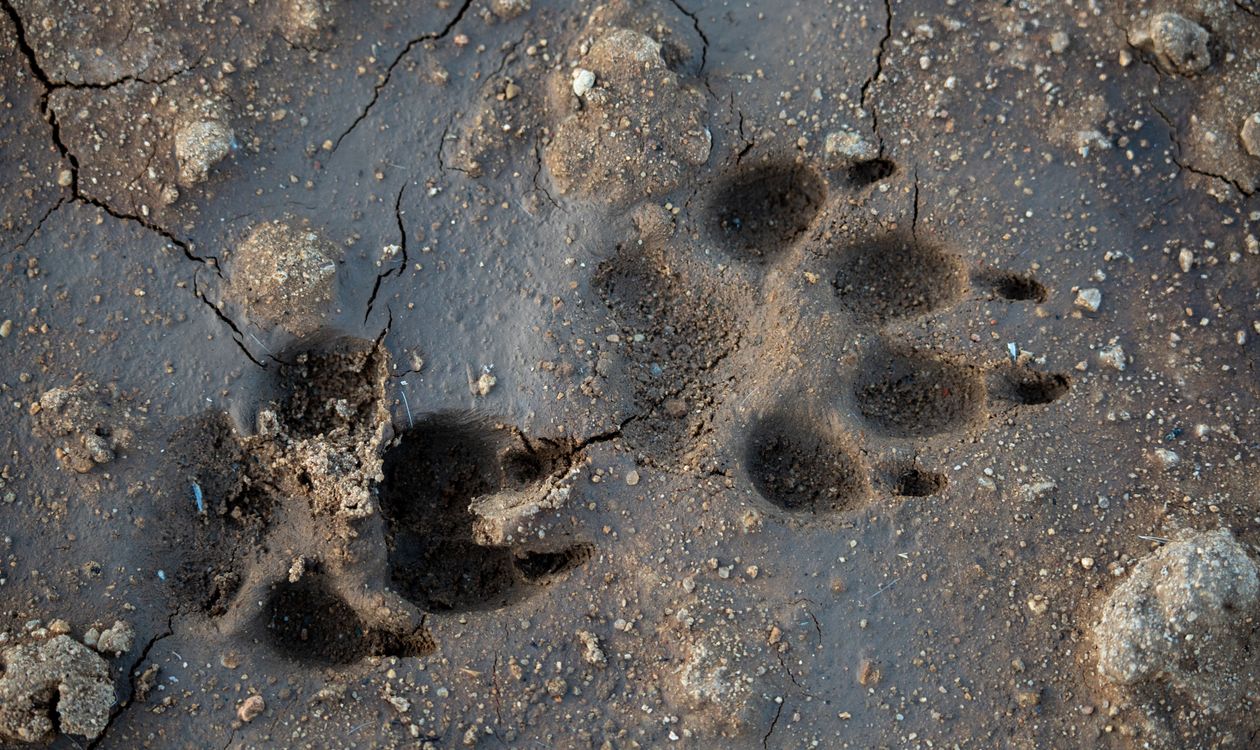
Somebody’s dog walked across a wet mud brick about 4,000 years ago in what is now western Turkey. The brick dried in the sun. A builder set it into a wall. The house burned, the wall came down, and the print sat under the rubble until archaeologists lifted it out.
The find was announced this week by Turkey’s Ministry of Culture and Tourism. It comes from Tavşanlı Höyük, a mound in Kütahya province that covers about 111 acres and ranks among the largest Bronze Age settlements in the region. Excavation has run there since 2021 under Erkan Fidan of Bilecik Şeyh Edebali University.
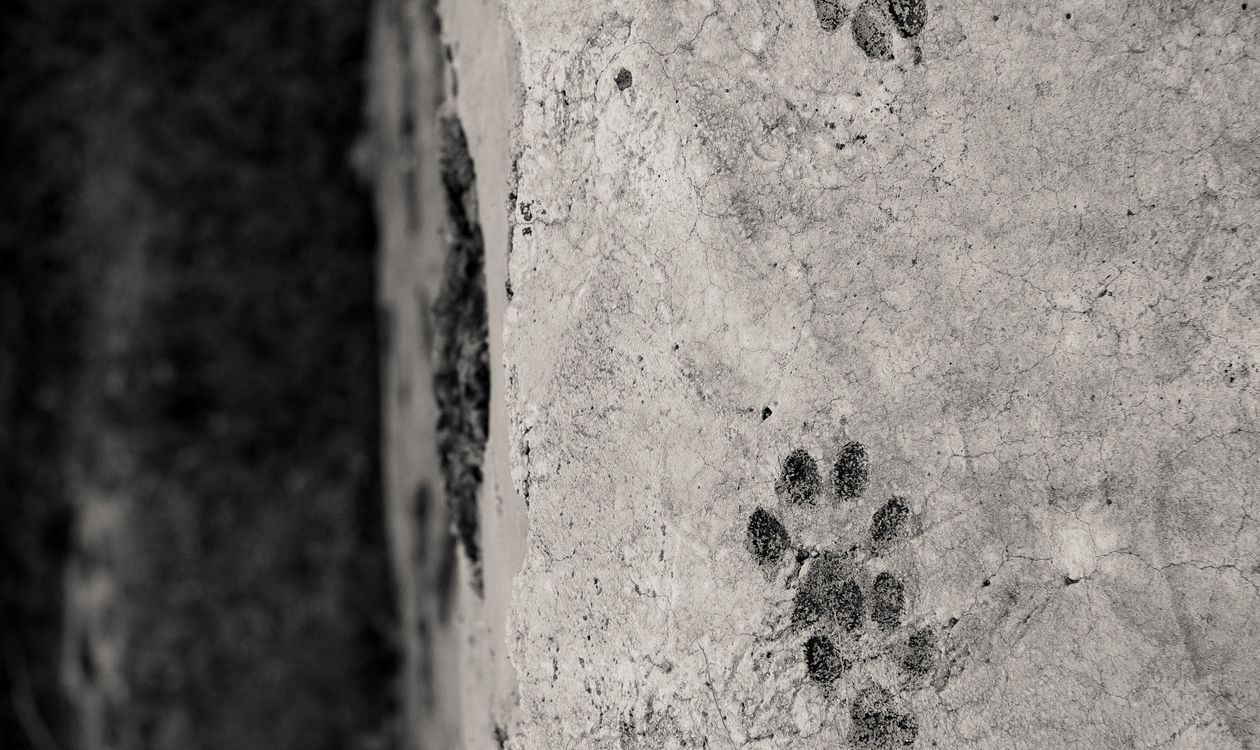
Nobody made that brick to be remembered. Pottery and carved seals were deliberate objects. A paw print is an accident of timing, because the dog crossed while the clay was still soft and the fire that destroyed the city ended up preserving the record instead of erasing it.
The print says nothing about whether the dog belonged to a household or wandered in from the construction yard. Dogs had lived beside people for thousands of years by then, so either version fits. Turkish officials called it a small trace of daily life, which is about right.
It is the same kind of accidental record as the hairless dogs found at a Wari burial site in Peru, where bones rather than footprints did the talking.
What this means for your dog
Nothing you need to act on, and that is the appeal. It is a good thing to notice on a wet walk. The prints your dog leaves in mud or fresh cement outlast everything else about a day. If you have a puppy and a sidewalk project, put a paw in it on purpose. People have been leaving that mark for four thousand years.