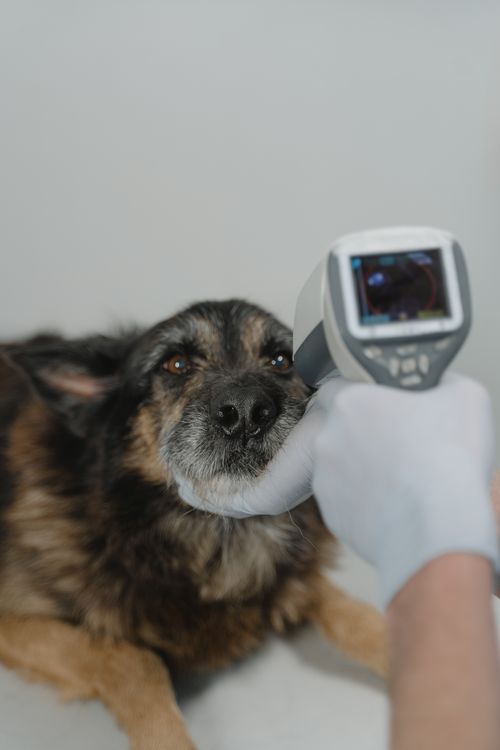
Your dog can’t tell you their head is pounding, and most of the time they won’t act like anything is wrong at all. That’s what makes high blood pressure in dogs so sneaky. The condition, called systemic hypertension, usually has no visible symptoms until organs are already damaged.
Vets consider readings under 150 mmHg normal. At 160 the pressure is elevated, and anything above 180 significantly raises the risk of organ damage. The scary part is how quiet the early phase is. Restlessness, extra thirst, and more frequent bathroom breaks are about as specific as it gets. In severe cases dogs can go suddenly blind or have a stroke.
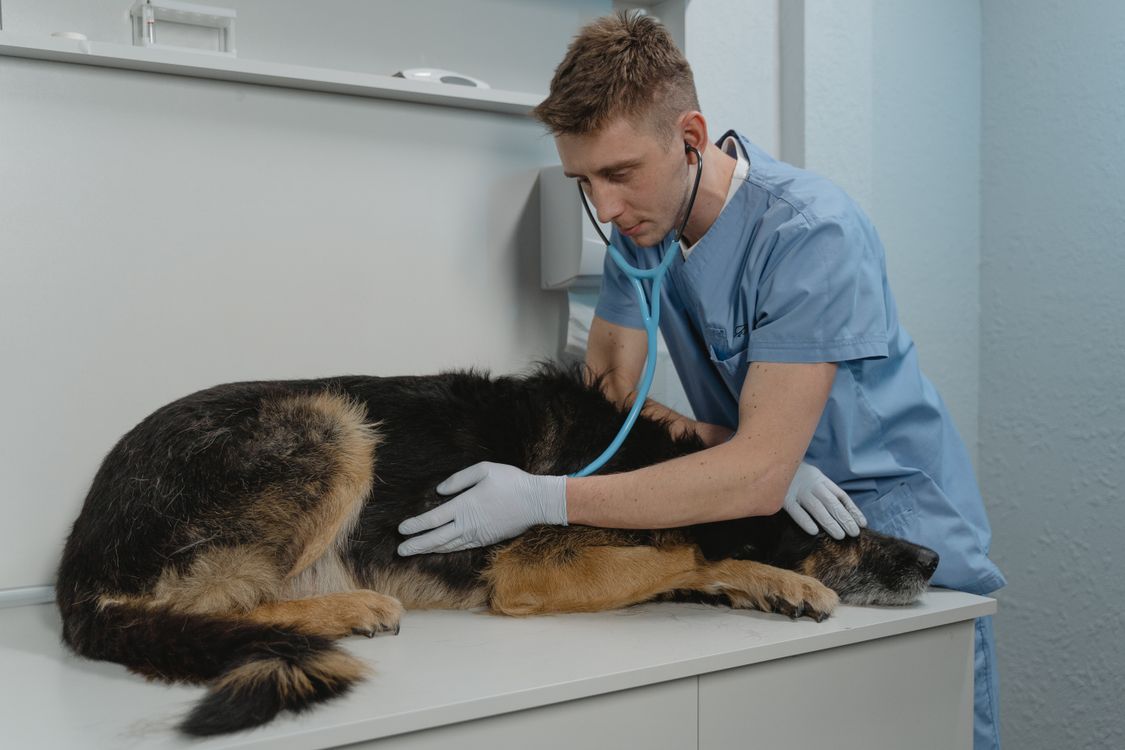
Most dogs with hypertension develop it as a complication of something else. Chronic kidney disease is the most common trigger, followed by Cushing’s disease, diabetes, and adrenal tumors. That’s why the fix usually starts with treating the underlying condition, often alongside blood pressure medication such as amlodipine or benazepril. A lower-salt diet and weight loss can help too.
What this means for your dog: hypertension gets caught at the vet, not at home. Because stress can spike a reading, vets take several measurements with a cuff on the tail or leg. Senior dogs and overweight dogs are at higher risk, so if your pup falls in either group, a blood pressure check is worth asking about at the next visit. Not sure where your dog lands? Our guide to spotting early weight gain is a good place to start. Caught early, most dogs with hypertension live comfortably for years.