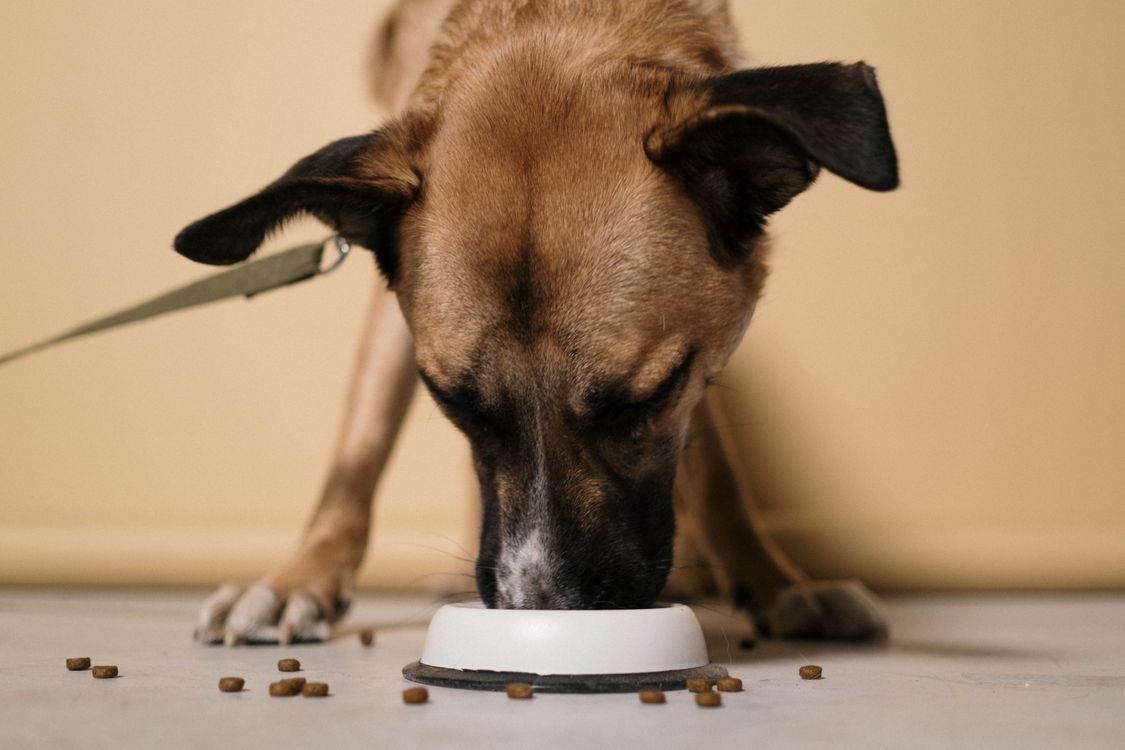
Antibiotics save lives, but they don’t discriminate. While they knock out the infection, they also take down the good bacteria living in your dog’s gut. The fallout can be diarrhea, soft stool, gas, vomiting, or a dog that turns up his nose at dinner. Vets call this antibiotic associated dysbiosis, and even short courses can shake up the microbiome. Some studies suggest it can take weeks or months for things to settle back down.
The antibiotics most often tied to tummy trouble include amoxicillin-clavulanate, metronidazole, cephalosporins, and fluoroquinolones. That’s a lot of the prescriptions dogs actually get, which is why the gut question comes up so often at the vet’s office.
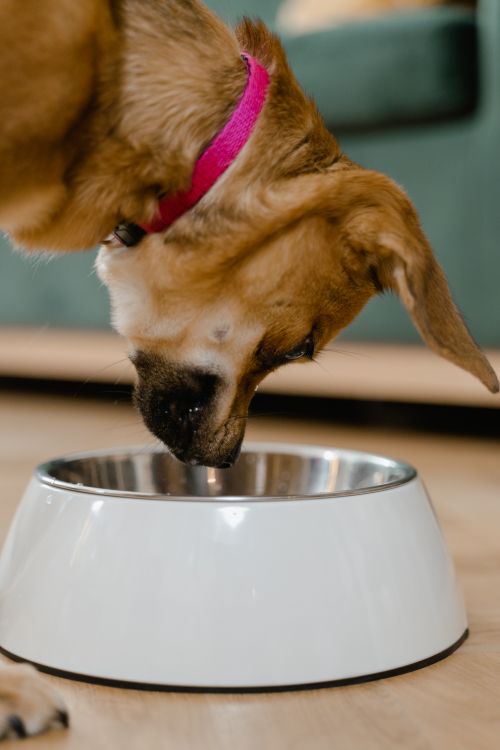
Here’s what this means for your dog. If your pup is on antibiotics, ask your vet whether a probiotic makes sense. Timing matters: give it at least two hours before or after the antibiotic dose, keep it going for the whole course, and continue for one to two weeks after the last pill. Yeast based strains like Saccharomyces tend to survive antibiotics better than bacterial ones. And choose a product made for pets with named strains, since supplements aren’t regulated like drugs and some don’t contain what the label claims. Veterinary Practice News has the full breakdown of the evidence.