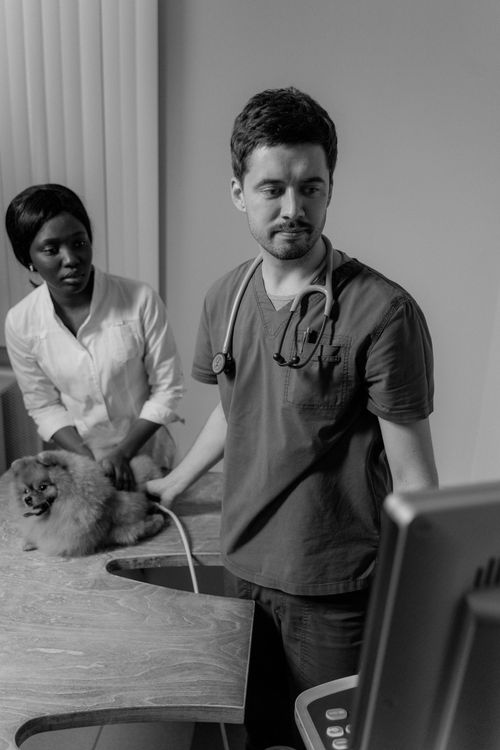
When a dog needs a cardiologist or a dermatologist, the old answer was a referral and a long drive. In more practices, your own vet can now bring that specialist onto a screen in the exam room and work through the case with them in real time.
Access is the reason. In a 2024 survey, 80 percent of pet owners said they worried about the cost of specialty and emergency care, and half said a bill of $1,000 or less would cause them financial stress. Distance adds another barrier, especially in rural areas where the nearest referral hospital is hours away, and specialty waiting lists can run long enough to delay treatment for a dog with a fast-moving problem.

Collaboration is not a step down in care. Dogs with congestive heart failure managed together by a general practice vet and a board-certified cardiologist lived longer than dogs treated without that input, and dogs with chronic ear infections referred to a dermatologist within the first six months had better long-term outcomes. A virtual consult gives your vet that guidance without asking you to make the drive.
What to ask: whether a specialist consult makes sense for your dog’s problem, what it costs, and how it changes the plan afterward. Write down what you see at home before the appointment, because duration and triggers are the details a specialist actually needs. Ask for the plan in writing, including the signs that mean you should come back.
Cost worries are worth raising out loud, and you are not alone in having them. We looked at what owners told surveyors about the $1,000 threshold and at what is really driving vet bills. A teleconsult is not a replacement for your vet examining your dog. It is a way to get specialist eyes on the case sooner. Veterinary Practice News has the full clinical picture.