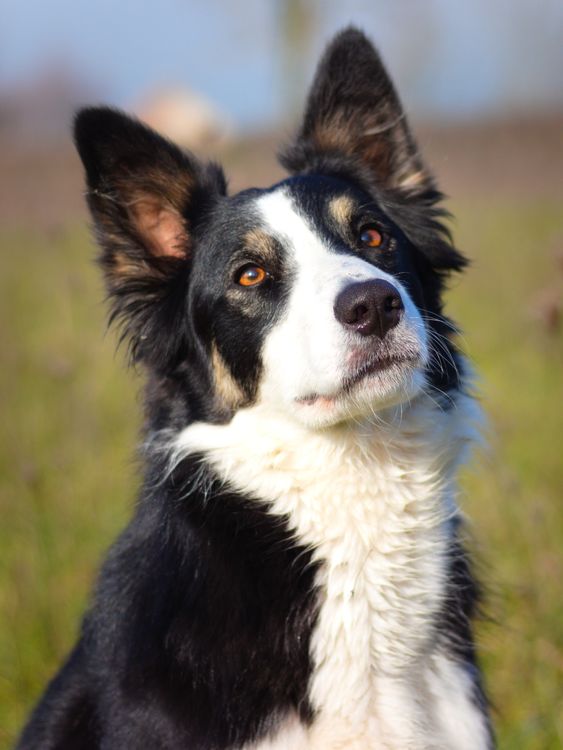
Tsunami did not seem to understand the fuss. The Border Collie stood beside a bronze dog in a park in Maracaibo, Venezuela, a statue that looks a great deal like him, and the crowd around it knew exactly why he had earned the spot. Over the past four years he has worked disaster scenes at home and abroad, most recently after two earthquakes hit northern Venezuela on June 24, measuring 7.2 and 7.5 just 39 seconds apart. Reports credit him with helping locate at least 26 people alive in the wreckage.
His own start was less heroic. Tsunami was rescued as a puppy in 2017 after abandonment and neglect, and he was later trained by Jorge Beens, who runs the canine disaster response unit K-SAR ECID. His story has circulated widely since the earthquakes. He was certified for landslide search work in 2022 and deployed to Turkey and Syria after the 2023 earthquakes there. Now he is retired, and the new monument at Vereda del Lago park carries a plaque naming him “Guardián de la esperanza,” guardian of hope.
What this means for your dog
Most pet dogs will never climb a collapsed building, but the lesson underneath the statue travels. A dog written off early can still turn out to be remarkable, and what changed for Tsunami was training plus a handler who saw something in him. His work also shows what a nose can do that our equipment cannot. A search dog sorts through dust, noise, and thousands of competing scents to find one person who cannot call out for help. If you want to stretch your own dog’s abilities, the place to start is unglamorous: keep training past the puppy stage, give your dog problems worth solving, and let the nose lead sometimes. Dogs that shelters once counted out keep proving the point.