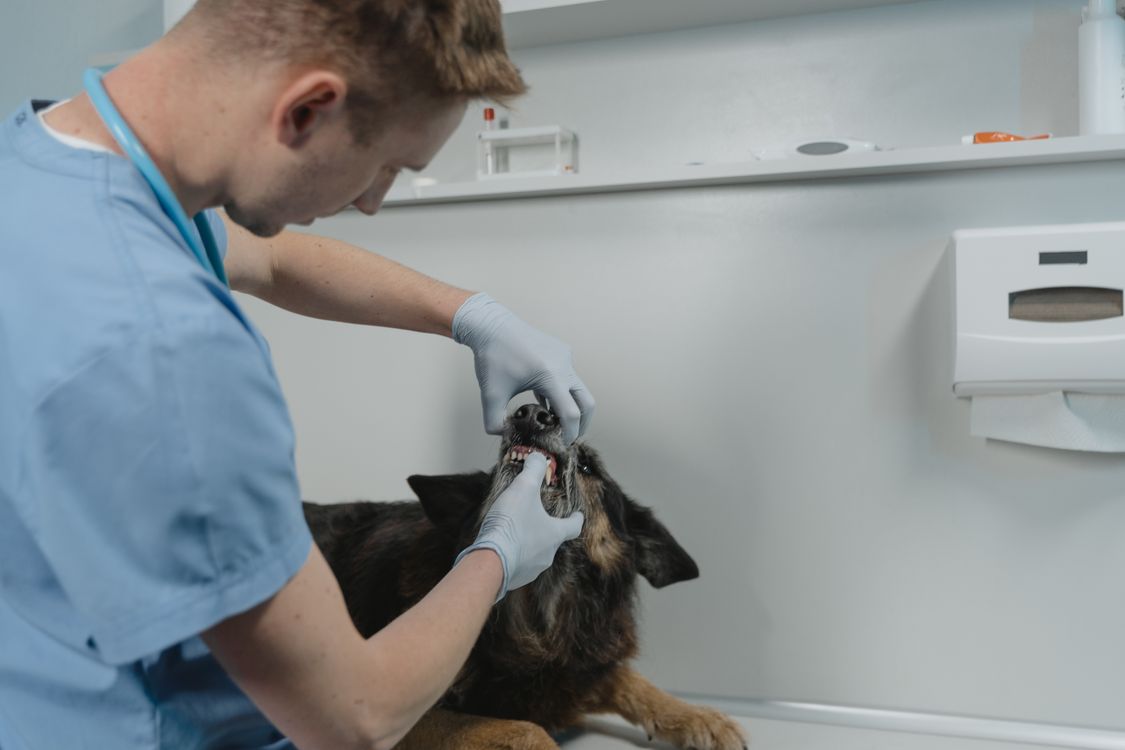
The World Small Animal Veterinary Association just released its 2026 Global Dental Guidelines, an update to the 2019 edition. The takeaway for owners is simple: a dog’s mouth deserves the same attention as the rest of him.
The update adds sections on dental and maxillofacial trauma, juvenile tooth problems, ergonomics, and the role of veterinary nurses and technicians. It also expands the guidance on reading dental X-rays, and covers anesthesia, pain management, home care, and nutrition. The aim is to help vets catch oral disease earlier, when treatment is simpler and kinder.

One part owners should notice: the guidelines spell out the risks of anesthesia-free dentistry. That is the service where someone chips visible tartar off a dog who is awake. It can look like progress, but it does not reach below the gumline where periodontal disease does its real damage, and it comes without X-rays or a full exam.
Co-author Dr. Brook Niemiec said the goal is to help patients live healthier and happier lives.
What this means for your dog
Brush when you can, with dog toothpaste and a soft brush, even if it is only a few teeth a night. Ask your vet to look inside the mouth at every annual visit, since most dogs hide dental pain well. And treat an anesthesia-free cleaning as a cosmetic touch-up at best, never a substitute for a proper dental exam.
If your dog’s breath has changed, that smell is information. We looked at what bad breath in dogs can signal, and at dental powders and what they can and cannot do.