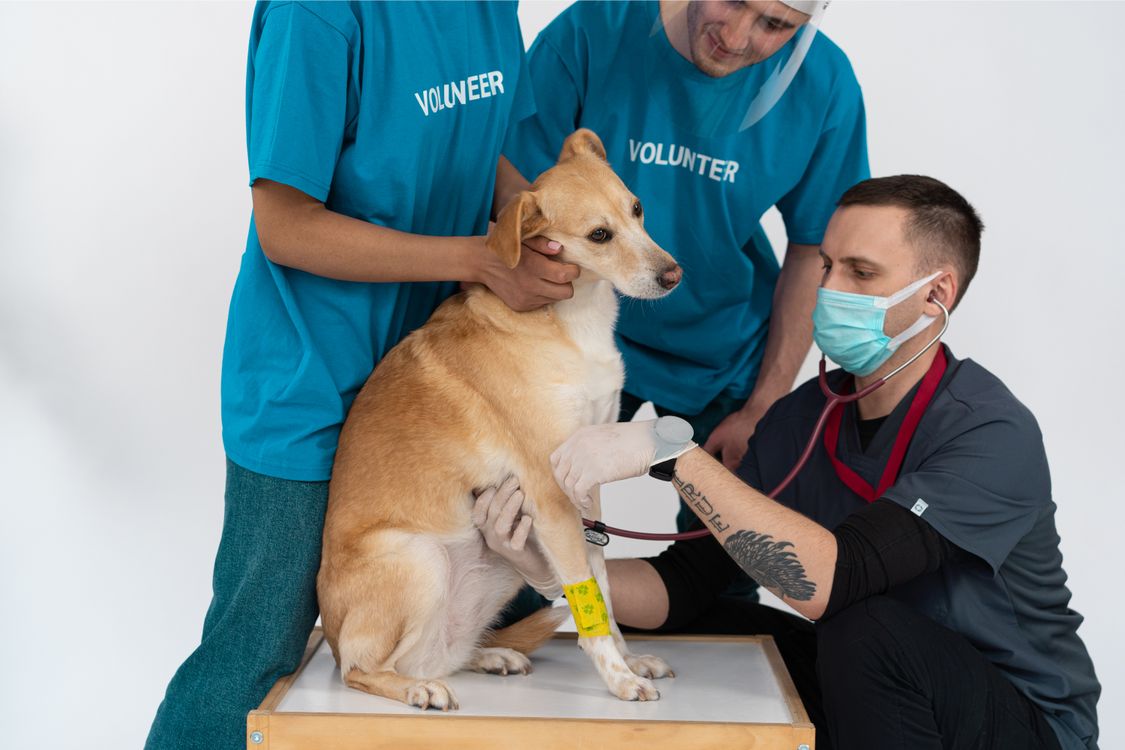
You probably know your own blood type. Your dog’s blood type is a different puzzle, and a more crowded one.
People run on the A-B-O system. Dogs carry at least eight dog erythrocyte antigens, DEA 1 through 8, plus rarer types like Dal, Kai-1, and Kai-2 found in only a handful of breeds. One dog can be positive for some and negative for others, so the answer is a list rather than a letter. The American Kennel Club has a plain-language rundown for the full picture.
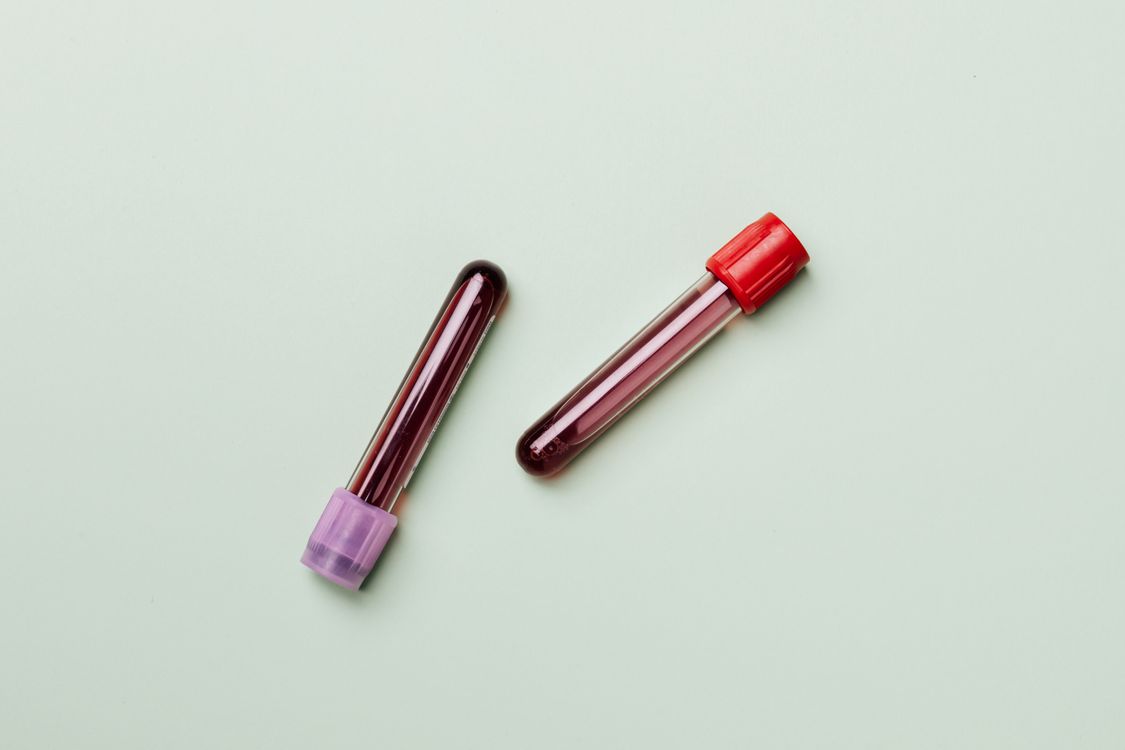
One type gets most of the attention. DEA 1.1 is the antigen most likely to cause a reaction when donor and recipient do not match. Roughly 40 to 60 percent of dogs are positive, and greyhounds, boxers, and Irish wolfhounds are more likely than most to carry it.
Here is the part that catches owners off guard. If a DEA 1.1 negative dog gets positive blood, nothing dramatic happens at first. The immune system quietly starts building antibodies. The trouble lands on the next transfusion, when those antibodies can destroy the donated cells or make them clump. That is why a past transfusion belongs in your dog’s record, and why crossmatching matters from the second time onward.
In an emergency there may be no time to type and match. Dogs rarely carry pre-formed antibodies the way people do, so a first mismatched transfusion usually passes quietly, and clinics watch for reactions as they go.
What this means for your dog: ask whether typing and crossmatching are part of the plan, and mention any transfusion your dog has ever had, even years ago. Healthy dogs between one and eight, calm on the table, are the usual donor candidates. Blood products are also costly, one reason the push for relief on big vet bills matters.