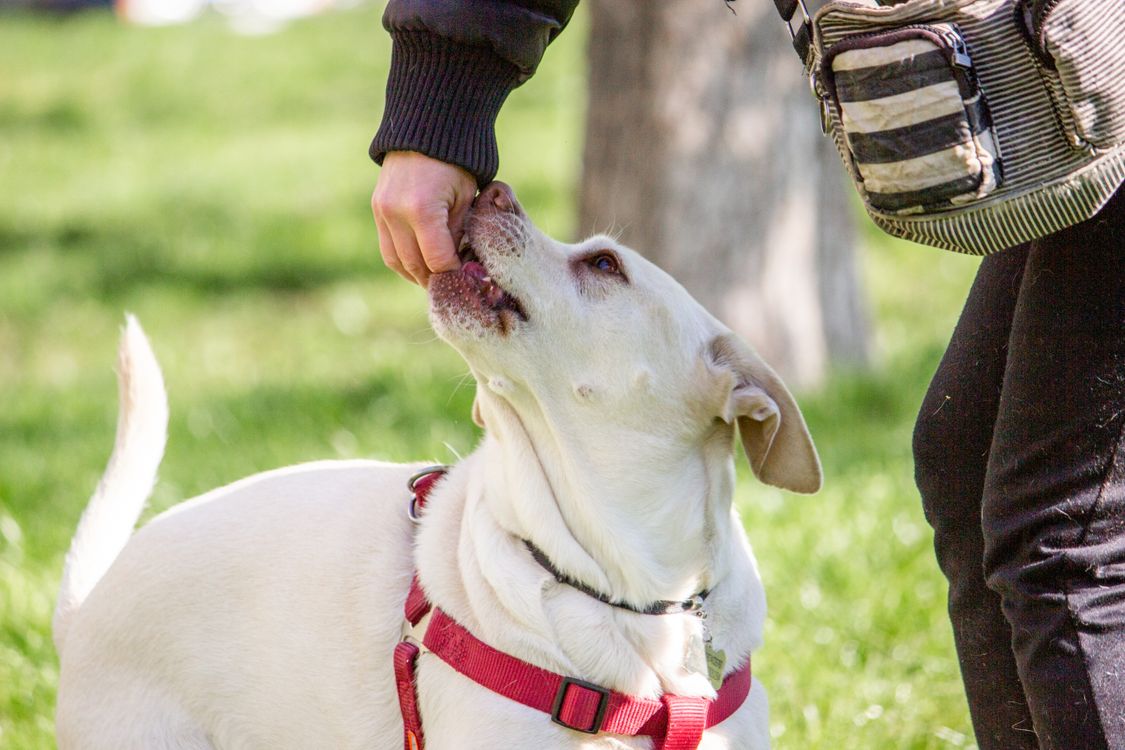
Ask a new dog owner what to teach first and you usually get the same answer: sit, stay, loose-leash walking. Certified trainer Jae Thomas disagrees. In a recent interview with Whole Dog Journal, she makes the case for three foundations that come before any of the classic cues.
First is settling. Before sit or stay, she teaches a dog to calm down on his own. High-energy dogs often arrive without an off switch, and a crate, pen, tether, or place bed gives them somewhere to practice switching off. It can take a few days for some dogs and months for others, and settling in a busy house can stay a work in progress into adulthood.
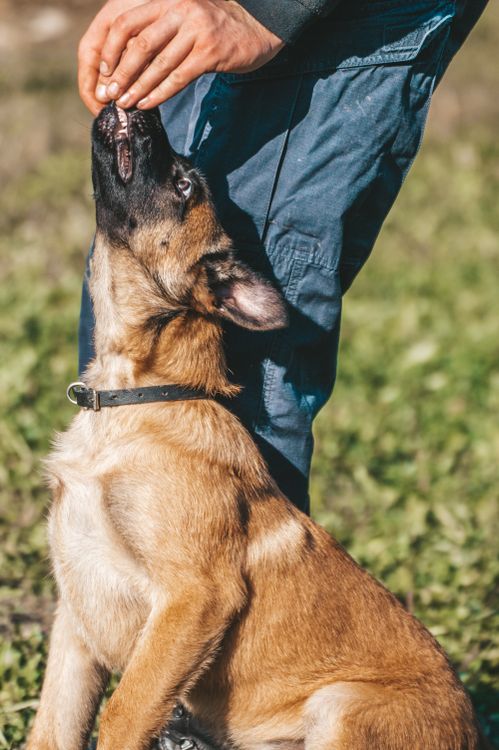
Second is engagement, which she calls the foundation of both the relationship and every skill that follows. Engagement is your dog choosing to look at you because he wants to, not because you made him. The practical move is to notice and reward the moments he offers it, rather than demanding attention on cue.
Third is teaching a dog how to learn. Set a clear criterion, mark the exact moment he gets it with a clicker or a word like “yes,” then pay up with something he actually values. Thomas leans on choice-based, shaping-style training, where the dog offers behaviors and earns a reward for good choices.
What this means for your dog
The most common mistake she sees is owners pouring energy into socialization and basic cues while skipping the one-on-one relationship that makes all of it stick. The other is forcing contact, like getting in a dog’s face to demand attention, which teaches the opposite of what you want.
Already past the basics? Our guide to intermediate training with distractions picks up where this leaves off.