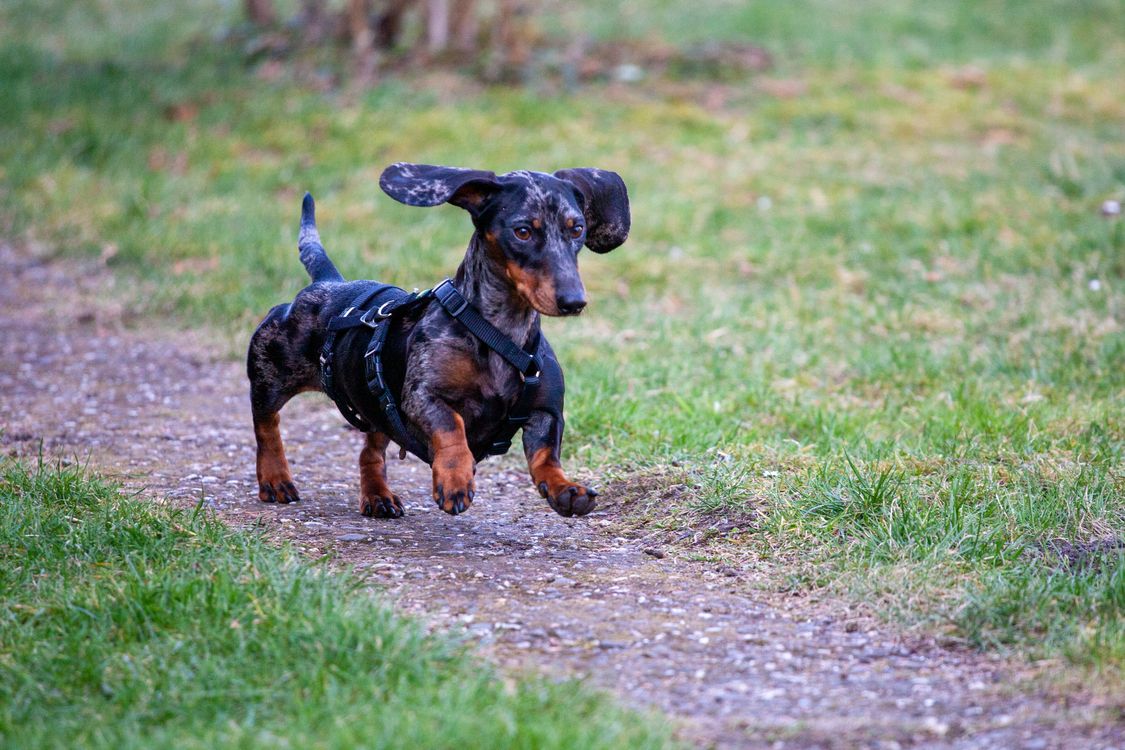
If a genetic test could tell you which dogs would pass on a painful spinal disease, the fix sounds obvious: breed only the clear ones. A veterinary neurologist who studies dachshunds says that plan runs into trouble fast.
Dr. Stacey Sullivan, who runs a spinal health lab at Auburn University, walks through the tradeoff in a guest column for The Washington Post. Somewhere between 18 and 25 percent of dachshunds show symptoms of intervertebral disc disease in their lifetime, and the strongest genetic signal is a variant called FGF4L2, the insertion behind those short legs. Dogs with two copies carry far more risk than dogs with one.
Nearly every dachshund carries at least one copy. Breed only for dogs with zero and you bench most of the breed, which shrinks the pool, pushes inbreeding up, and trades one set of problems for another.
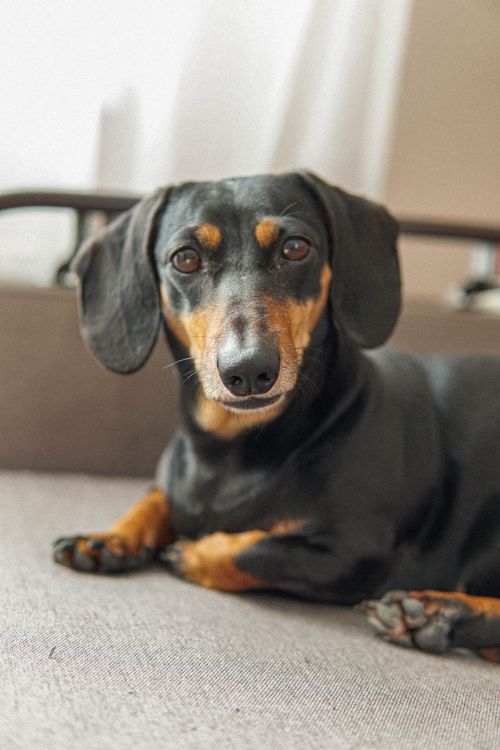
Denmark has been testing a middle path. Breeders there score dogs by K-number, the count of calcified discs a vet can see on a radiograph. Puppies from that program had better scores, which researchers estimate works out to roughly 19 percent less disc disease. From 2026, every dachshund bred in Denmark has to be screened.
Recovery is possible when a disc goes and the dog gets seen quickly, as one paralyzed dog showed when she walked again in four weeks.
What this means for your dog
You cannot change the genes your dog already has. If you are buying a puppy, ask for CDDY (FGF4L2) status and, where available, K-number scores on the parents. For the dog already on your couch, keep the weight down, since every extra pound rides on that spine, and treat a sudden yelp, a dragging back leg, or a loss of bladder control as a same-day vet call.