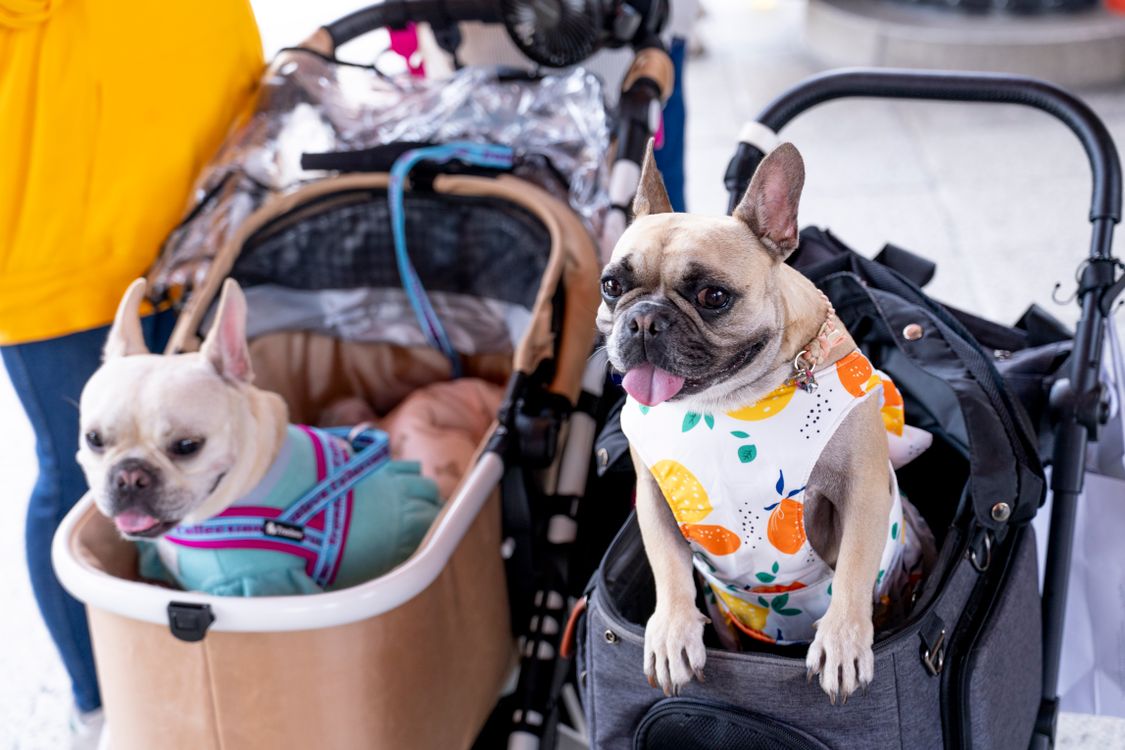
Moving abroad with a dog starts well before you book the flight. Rules depend on the destination and the airline.
Service dogs are the exception. A dog trained to assist with a disability flies in the cabin with its handler at no charge. A family pet is a different category.
There are three routes: the cabin, cargo if the airline permits it, or a licensed pet shipping company. The UK, South Africa and Australia do not let pets arrive in the cabin. Most US carriers no longer take pets in the hold internationally, though Lufthansa and some others still do.
Size rules apply even to trained dogs, and a Great Dane service dog was once told he was too big to fly home. The hold is pressurized and climate controlled, but airlines embargo it above 85°F or below 45°F.
What this means for your dog: the largest risk is one owners create. The AVMA, IATA and the Department of Transportation all advise against sedating a dog. Tranquilizers lower blood pressure and suppress breathing, and a 1995 JAVMA study found oversedation was the most frequent cause of animal deaths in air transport.
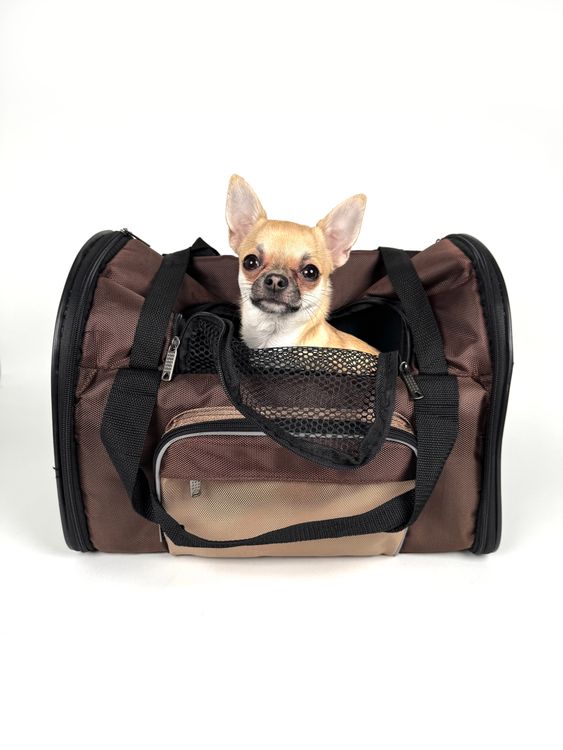
For the cabin, most airlines want a dog at least eight weeks old and a combined weight near 20 pounds, in a carrier no bigger than 19 by 13 by 9 inches. International moves can take six months of paperwork, and Whole Dog Journal has the checklist.
Start crate practice now. A month of meals inside it, the door propped open, short trips that end in nothing scary. Book nonstop. About one dog in ten shows real distress in the air, mostly from noise and confinement.