
If you rent with a dog, you are in a bigger group than landlords think. A survey of 673 US property management and leasing professionals found 81% have watched pet ownership rise in their buildings. Operators put the share of renters with pets at 43%.
Set that against the American Pet Products Association figure that 71% of US households own a pet. PetScreening, which ran the survey for its State of Pets in Rental Housing report, reads the gap as pets that are unauthorized or simply missing from the paperwork.
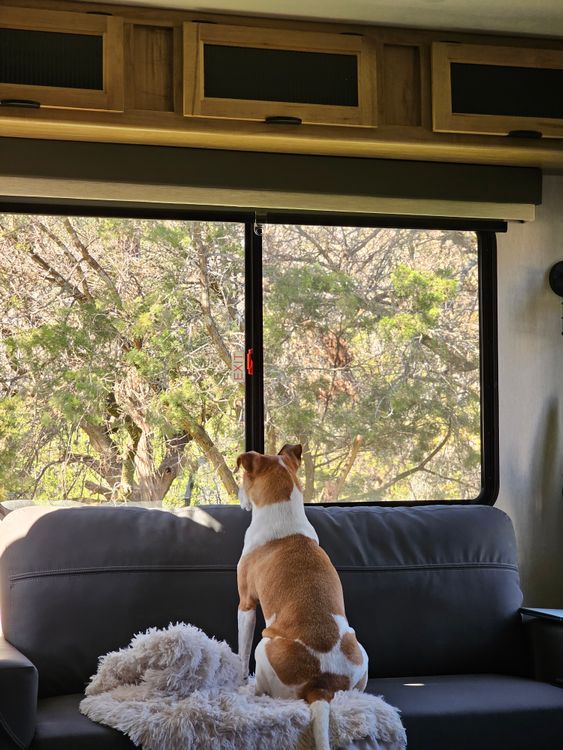
What this means for your dog: the dog is rarely the problem, the missing paperwork is. An unlisted pet is usually a lease violation, and the animal carries the consequences along with you.
The rules operators actually enforce are blunt. 78.4% cap the number of pets, 70.6% have community guidelines, 66.7% restrict breeds and 59.8% set weight limits. Only 27.4% screen pets formally, and just 49% ask for rabies records, so a landlord who does check will want paperwork you should already have.
68.6% charge pet rent, 50.9% take a nonrefundable deposit and 23.5% ask for a refundable one. Damage shows up in 31.5% of units at an average repair of $567. Operators also credit pets with more applications (40.8%), happier tenants (26.9%) and stronger renewals (23.4%).
If you are hunting for an apartment with a dog, ask three things before you sign: the breed and weight limits in writing, whether pet rent is monthly or a one-time fee, and where the nearest waste station is. Waste stations exist at 45.4% of properties and fenced pet parks at 32%. And since pet rent lands on top of everything else, it is worth knowing what owners do when the vet bills pile up.