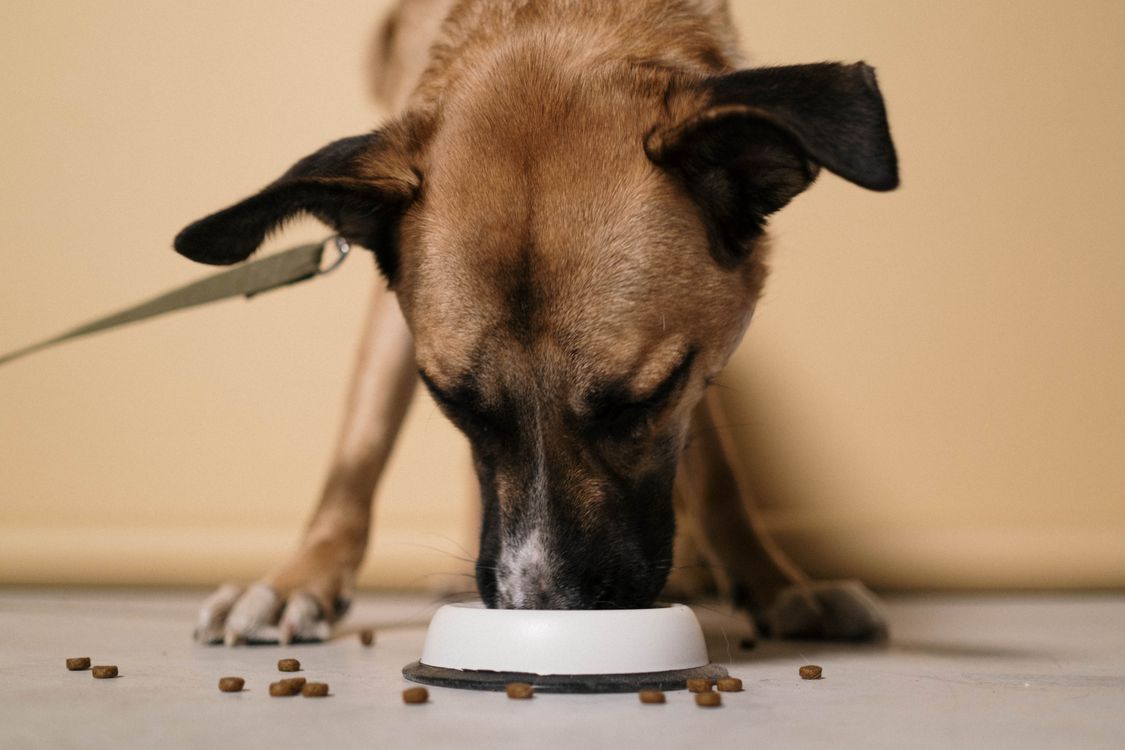
Your dog eats, then gags, swallows hard, or licks their lips for twenty minutes afterward. It looks like a passing upset stomach, and sometimes it is acid reflux instead. Stomach acid and digestive enzymes flow backward into the esophagus and irritate the lining.
The valve meant to keep that from happening is the lower esophageal sphincter, and in dogs with reflux it is not sealing properly. The usual suspects are high-fat food, eating too fast and regurgitating, delayed stomach emptying, obesity, swallowed objects, and some medications, including anti-inflammatories, that relax the valve. Flat-faced dogs run extra risk, since breathing through narrow nostrils makes reflux worse, and bulldogs, pugs, French bulldogs, and boxers are more prone to hiatal hernias.
Signs worth writing down
Watch for bad breath, burping, drooling, excessive swallowing, gagging, coughing or throat clearing, grass eating, lip licking, going off food, and regurgitation soon after a meal. Repeated irritation can narrow the esophagus over time, and dogs that regurgitate can inhale food into the lungs, which is why episodes that keep happening deserve a vet visit rather than patience.
What treatment looks like
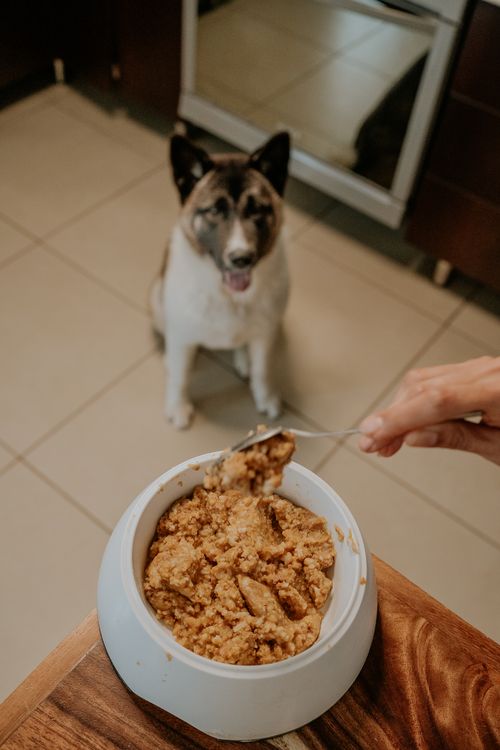
Vets often start with a working diagnosis based on symptoms and how the dog responds to a treatment trial, then confirm it with an esophagoscopy if the picture stays murky. Smaller, low-fat meals fed more often are the foundation. Acid-reducing drugs such as omeprazole, mucosal protectants, and sometimes probiotics sit on top of that, and surgery is kept for dogs that do not improve with medical management.
What this means for your dog: if mealtimes keep ending in gagging or lip licking, mention the timing when you call the vet. Note what the dog ate, how fast, and how soon symptoms start. That timeline often separates reflux from a gurgling stomach or plain bad breath.