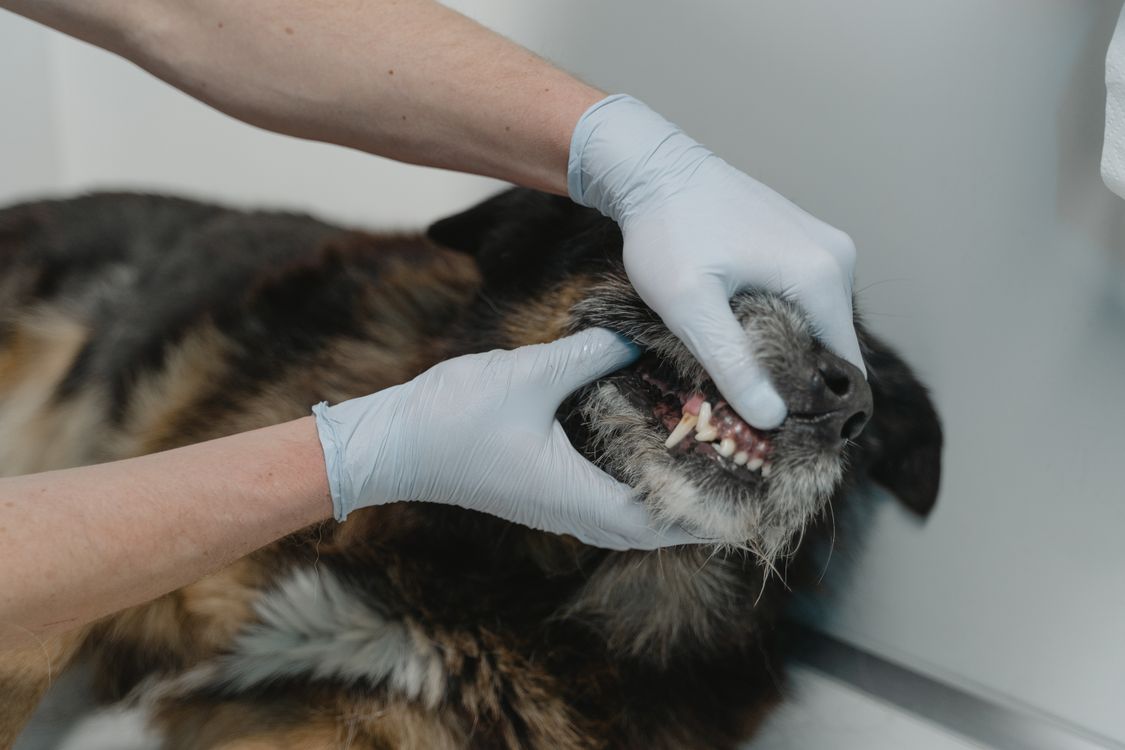
A scoop of powder on dinner, and the mouth takes care of itself. That is the promise on a growing stack of dog dental supplements, and the useful version of the answer is less tidy. A powder works on chemistry, not friction. Nothing in the scoop scrubs a tooth.
The ingredients that do real work fall into a few groups. Oral probiotics compete with some of the bacteria behind sulfur breath. Sodium hexametaphosphate ties up calcium in saliva so plaque has a harder time hardening into tartar. Brown algae, Ascophyllum nodosum, is the seaweed behind most of the powders sold as natural, and a double-blind, placebo-controlled trial published in Frontiers in Veterinary Science in 2018 found that daily treats containing it reduced plaque and calculus in dogs. A vet-reviewed guide to the category lays out the same three ingredient classes.
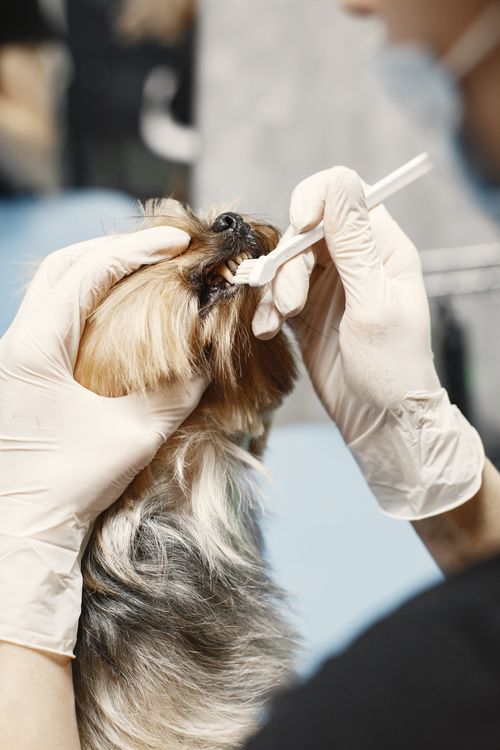
What you get from a well-made powder is support, and it arrives slowly. One manufacturer reports a 28-day study in which a common bad-breath compound dropped 40%, and a 90-day study in which daily users scored 25% lower on a plaque index than a control group. Both studies come from the brand, so treat the numbers as promising rather than settled.
What this means for your dog
A powder cannot lift off tartar that has already hardened, and it cannot clean below the gum line, which is where gum disease does its damage. The American Animal Hospital Association still lists daily brushing as the most effective home care an owner can give. Powder is there to help brushing do its job, not to replace it. Two things to check before you buy: the label for iodine, since seaweed carries it and that matters for dogs with thyroid trouble, and a vet visit for a mouth check if your dog has never had one. Bad breath that keeps coming back after weeks of home care is worth a professional look, as we covered in what that smell is telling you.