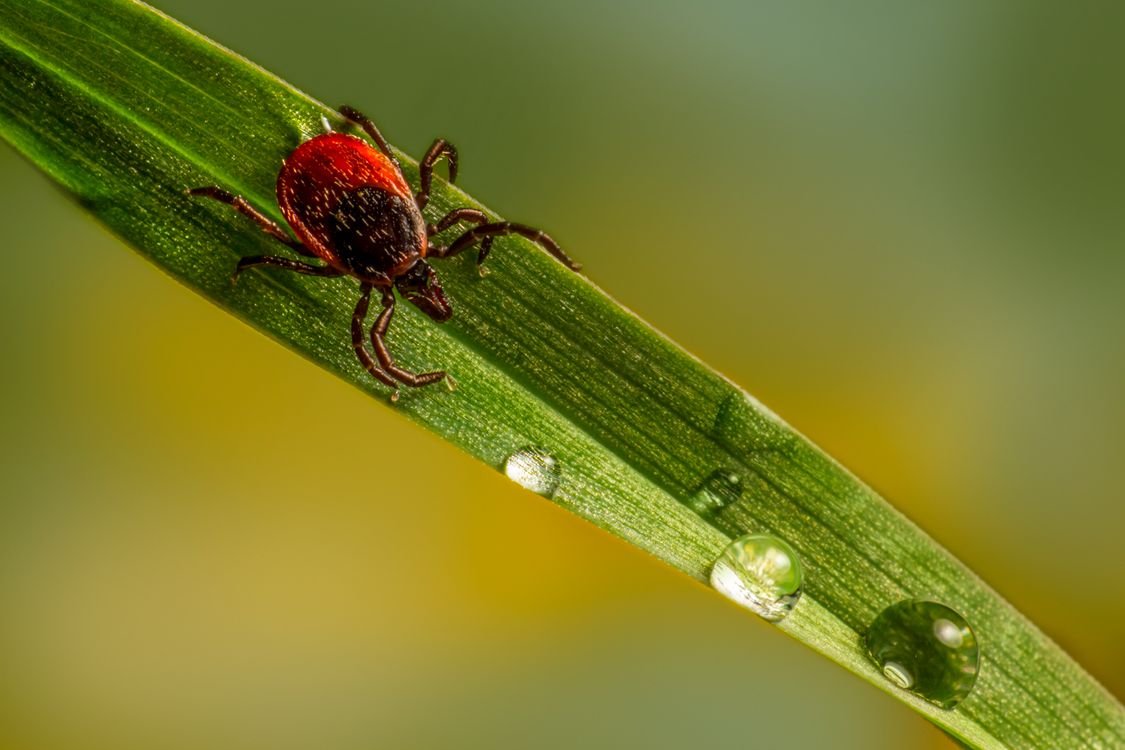
Tick season used to have edges: spring start, fall finish, winter break. New federal and climate data suggest those edges have mostly worn off.
Emergency room visits for tick bites hit their highest level for this time of year in nearly a decade, according to CDC tracking, with rates not seen since 2017 showing up in every US region except the South Central states. About 31 million Americans are bitten each year, and roughly 476,000 get a Lyme disease diagnosis. Warmer ground is part of it: a Climate Central review of 198 cities found the freeze-free growing season lengthened in 87 percent of them since 1970, by 21 days on average, with some Western cities gaining more than two extra months.

What this means for your dog: ticks do not care whose blood they take, so a longer warm season is a longer window of exposure for the dog sharing your yard and your trails. Stopping flea and tick prevention at the first frost is out of date. Ask your vet whether year-round prevention fits where you live. Run your hands over your dog after every walk in grass or woods: ears, armpits, between the toes, under the collar. Remove anything attached with fine tweezers, pulling straight out and close to the skin.
Pollen is stretching too, so the itchy dog who used to need help for six weeks now needs it for ten. Note that Elanco, which sells parasite and dermatology products, pointed to these same trends when it reported strong pet health revenue. The CDC bite numbers stand on their own.
Seasonal itch that runs long deserves a vet conversation before you reach for a human antihistamine. The full report is at dvm360.