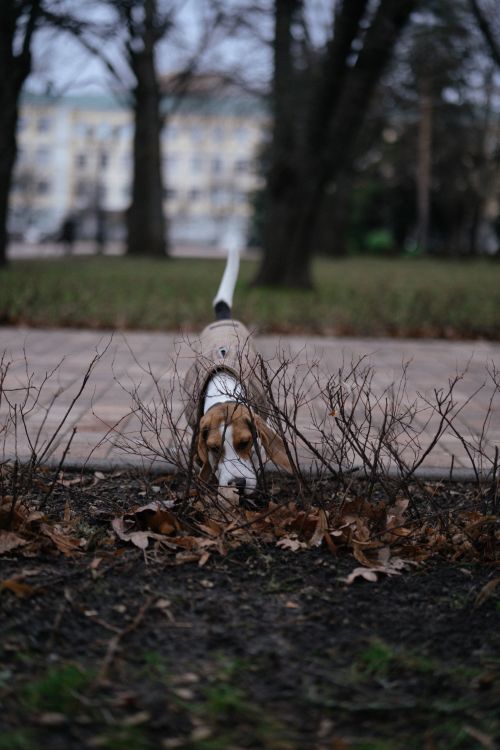
Your dog’s nose is a piece of equipment researchers would pay a fortune to copy. Virginia Tech just put that nose to work on an unlikely target: the spotted lanternfly.
Lanternflies arrived in Pennsylvania in 2014 and now live in 19 states plus Washington, D.C., where they damage grapevines, hops, and stone fruit trees. Adults are hard to catch. Egg masses are not, and each holds 20 to 60 future lanternflies, which makes finding them the highest-value job on the list.
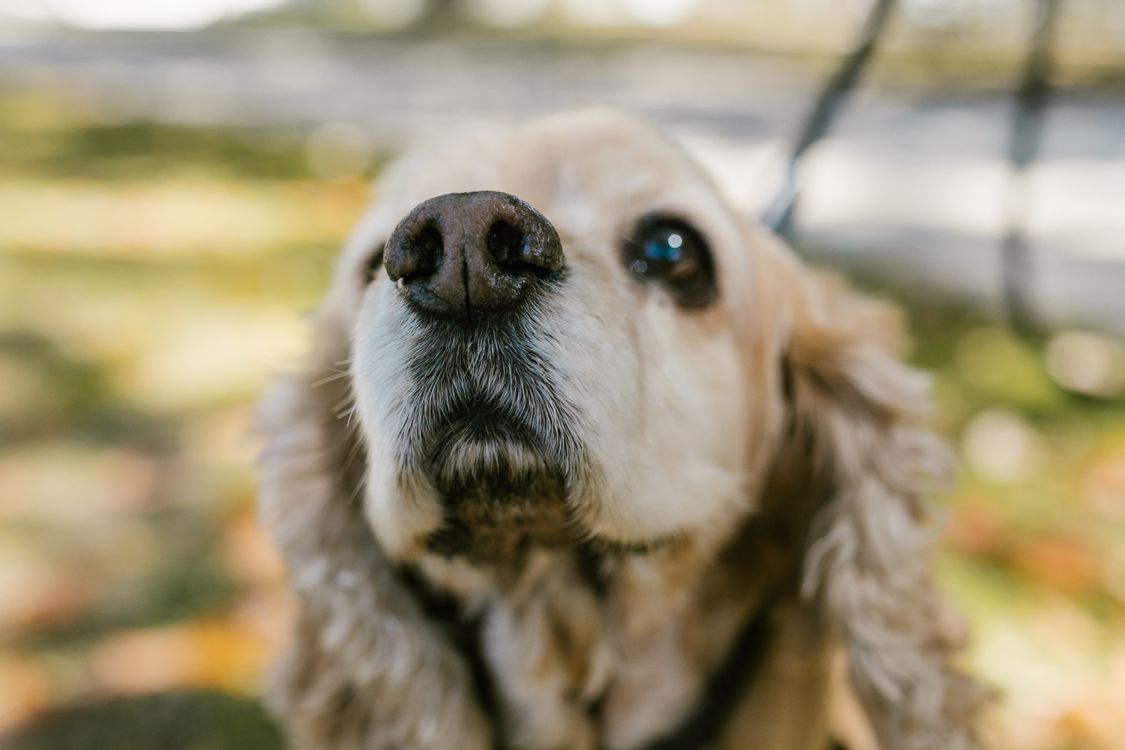
Egg masses are nearly invisible, looking like a smear of mud or lichen tucked into bark crevices or behind car bumpers. Human inspectors miss plenty, and a full sweep of one area takes forever. Dr. Sally Dickinson, a postdoctoral researcher at Virginia Tech’s School of Animal Sciences, found dogs detected egg masses from farther away and scanned an area quickly, sorting competing smells down to the one they wanted.
The twist: you probably do not need a professional dog. Dickinson and principal investigator Dr. Erica Feuerbacher recruited 110 citizen-science dog-handler teams nationwide, nearly all ordinary pets. After three to six months of training with inert egg masses, the dogs identified the right odor 82% of the time indoors and 61% outdoors. Pet dogs get less practice with hard discrimination problems than working dogs do. We have written before about dogs trained to sniff out disease, so the nose has range.
What this means for your dog: no special breed required. Feuerbacher said there is likely a scent detection task for any dog, and you do not need a research project to start. A treat treasure hunt in the living room, a beginner nose work class, or a local conservation group are all reasonable entry points.
If lanternflies live near you, egg masses show up in fall on outdoor furniture, firewood, and vehicles. Scrape them into a bag with hand sanitizer or alcohol, and report sightings to your state agriculture department. The AKC writeup has more on the training.