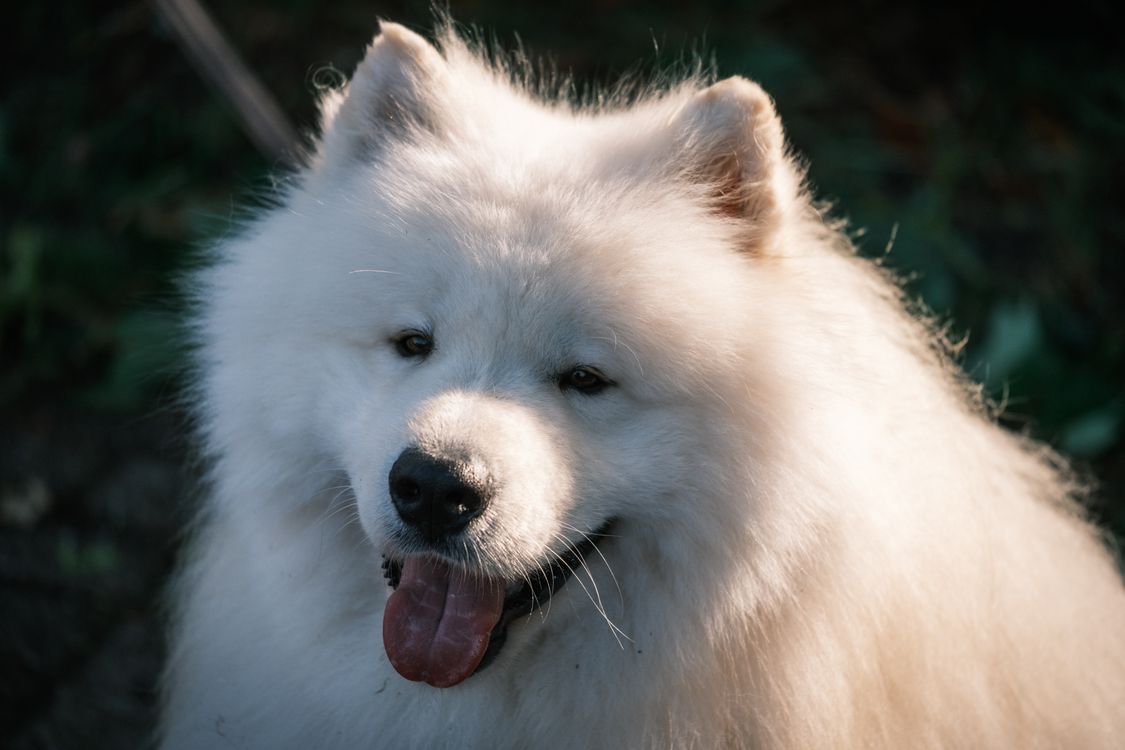
Summer is winding down, and somewhere out there a Samoyed just realized it. Cold-weather breeds like Samoyeds, Siberian Huskies, and Alaskan Malamutes were built for serious winter work, as iHeartDogs notes, and their dense double coats turn a hot July afternoon into a misery that crisp October air never is. When the temperature finally drops, these dogs get their bounce back.
That is biology, not imagination. A double coat traps a layer of insulating air against the skin. It is brilliant at minus twenty and suffocating at ninety, which is why northern breeds often seem half asleep in summer and suddenly full of energy in fall. Owners routinely report longer walks and a spring in the step that vanished back in June.
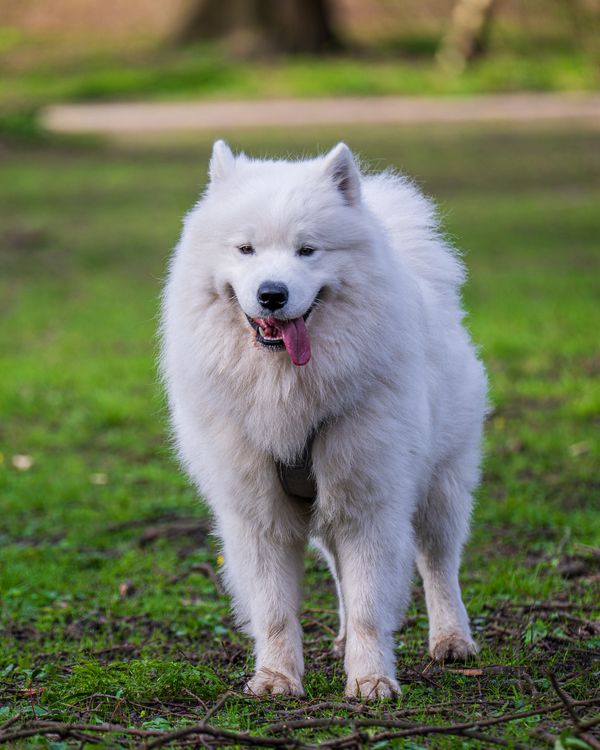
What this means for your dog: the season shift is a good moment to refresh your routine. Double-coated dogs blow their undercoats as the weather changes, so expect a shed and keep the brushing consistent. Cooler days also make longer exercise safer, but ease into it and watch for overheating on warm afternoons, because a thick coat can work against a dog even in fall.
One more thing: a heavy coat is not a superpower. Small and short-haired dogs, plus seniors, still feel the cold, and many genuinely benefit from a sweater. Our guide to whether sweaters are good for dogs walks through when outerwear helps and when it is just fashion. The fluffy crowd may not need one, but they will absolutely pose in it.