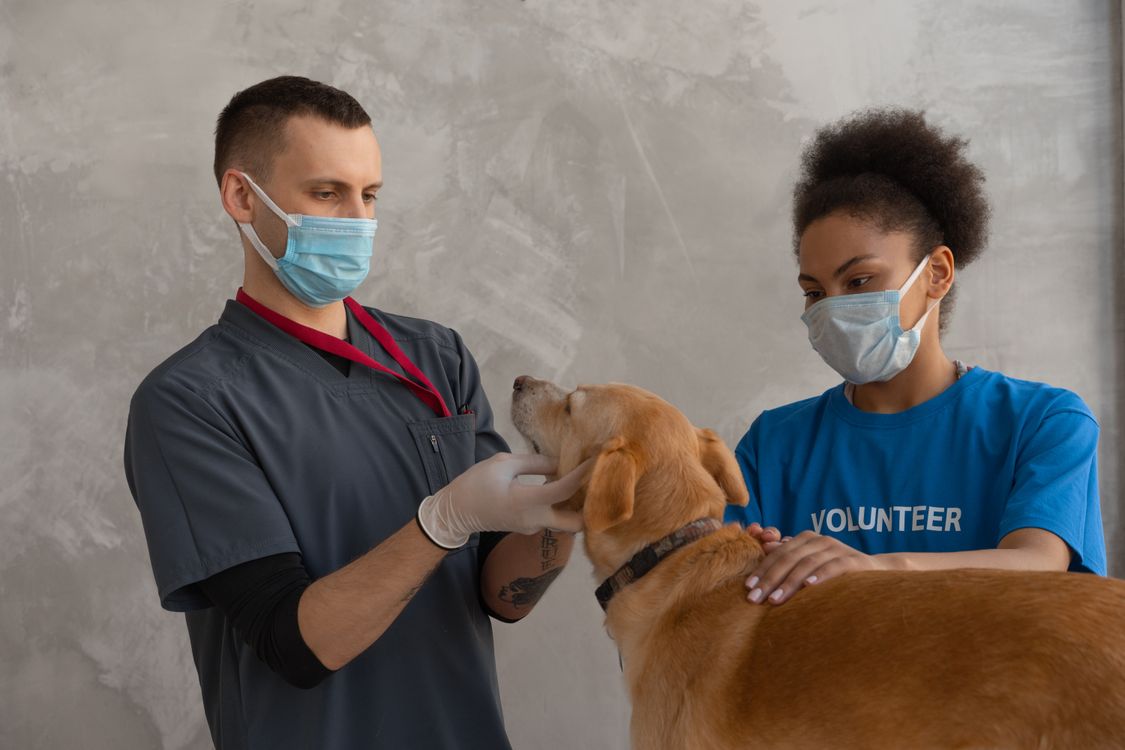
Dog weight doesn’t announce itself. It creeps up a pound at a time, and by the time you notice, your pup may already be slowing down on walks and struggling to hop onto the couch. That’s why vets lean on a simple body condition check instead of the scale alone.
A healthy adult dog should have a visible waist when viewed from above, a belly that tucks upward from the side, and ribs you can feel with a light touch but can’t see from across the room. Vets score this on a 1 to 9 scale, with 4 or 5 considered ideal. When the ribs get hard to feel and the waist disappears, that’s excess fat building up.
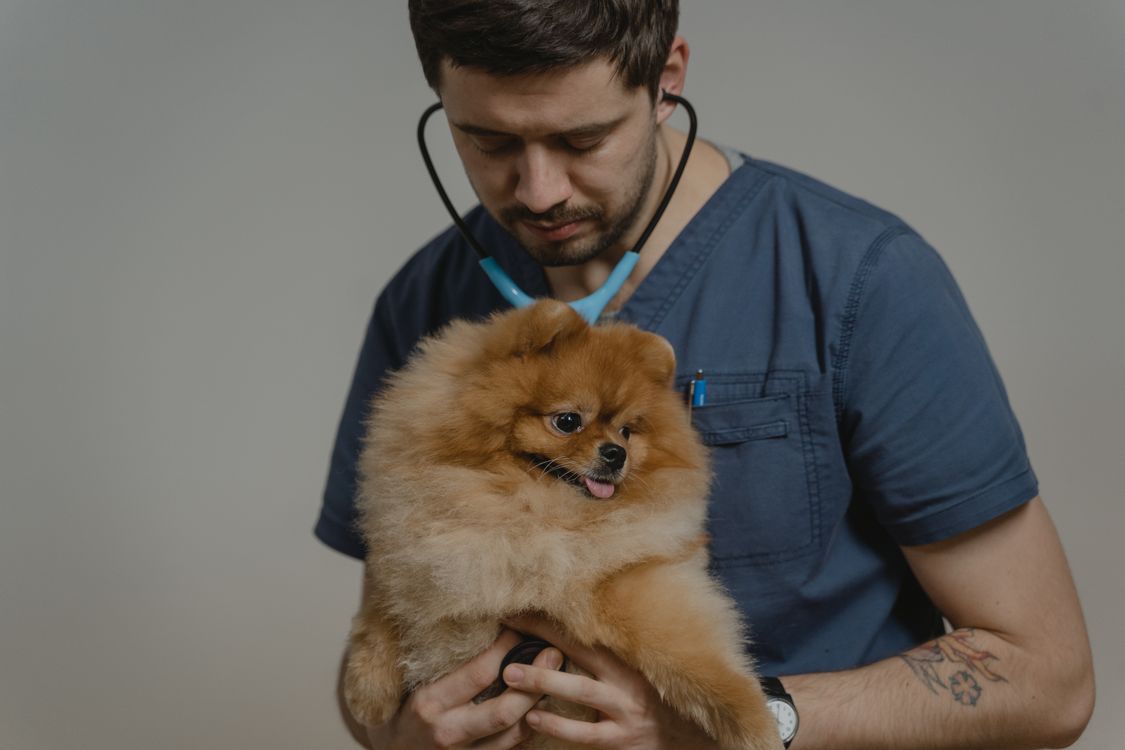
Here’s what this means for your dog. Behavior changes count too: less interest in fetch, extra naps, panting while resting, or shifts in bathroom habits can all point to extra pounds, which strain the heart and lungs. If you spot these signs, talk to your vet about a target weight and a portion plan before cutting food on your own, since guessing can backfire. Your dog will happily join you in moving more and eating better. Dogster has more detail on the early clues.