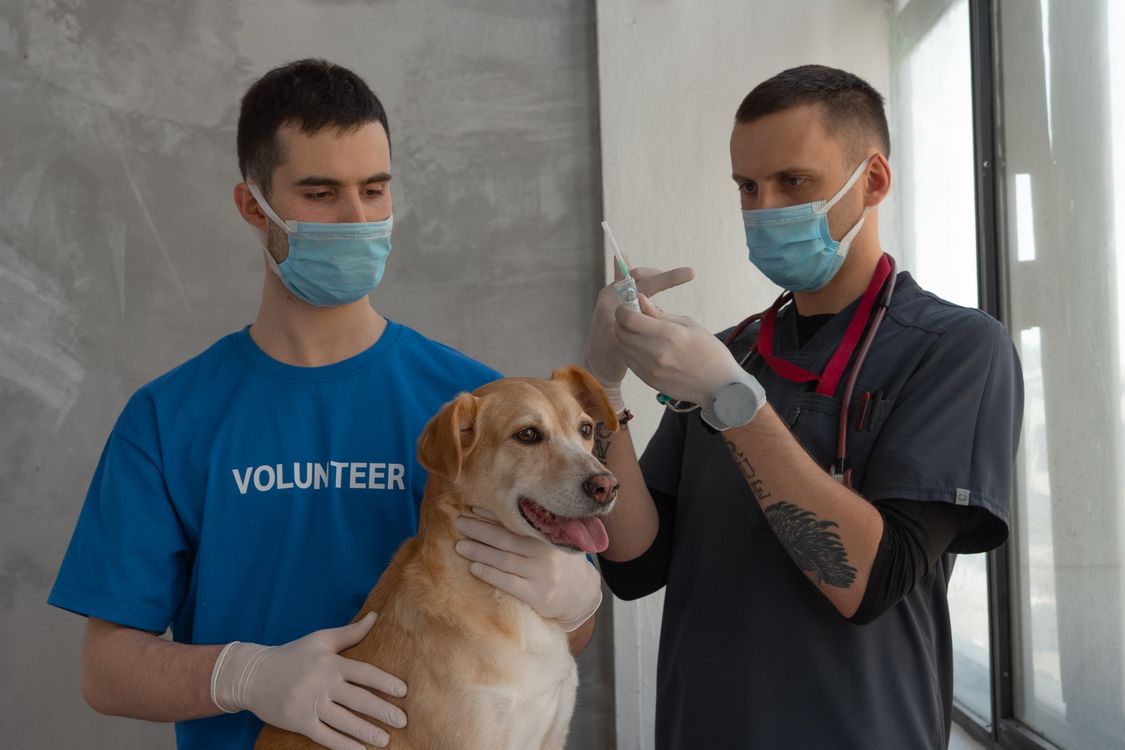
Several US states are seeing more people exposed to potentially rabid animals, and the CDC wants dog owners paying attention. In a health advisory issued September 10, the agency reported that rabies-related inquiries rose 17% from July through August over the same period in 2025, and that at least eight state health departments report a jump in post-exposure treatment.
Pharmacy data through September 2 shows rabies vaccine use up roughly 33% year over year and human rabies immune globulin up 76%. Some of those treatments went wrong instead, with vaccine given in the wrong spot and immune globulin and vaccine drawn into the same syringe.
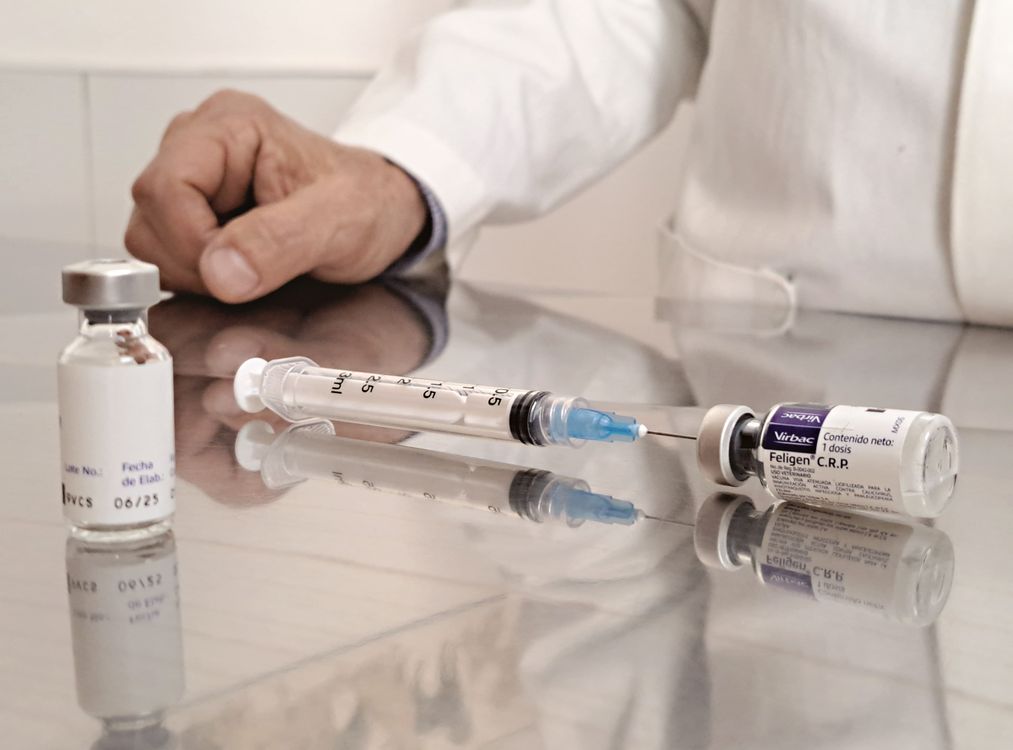
For dog owners the practical thread leads to one appointment. A dog who is current on rabies vaccination changes how a bite investigation goes: a vaccinated dog who bites someone can usually be observed at home for 10 days, and the person who was bitten often avoids the full shot series.
What this means for your dog
Pull out the rabies certificate this week and check the date. Most states require the shot by law, and boosters cost a few dozen dollars. That is cheap protection against a virus that is nearly always fatal once symptoms appear.
Then walk your fence line. Raccoons, skunks, foxes, and bats are the usual carriers, and a bat on the ground is a call to animal control rather than something to pick up. If your dog tangles with wildlife, keep your hands off the carcass and call your vet and animal control, then follow their advice on a booster even if your dog looks normal, since small wounds hide easily under a coat.
Unvaccinated puppies and senior dogs have the least margin here, so book it this week. The CDC advisory is summarized in full at dvm360, and our look at falling parvo numbers explains why the early puppy rounds matter.