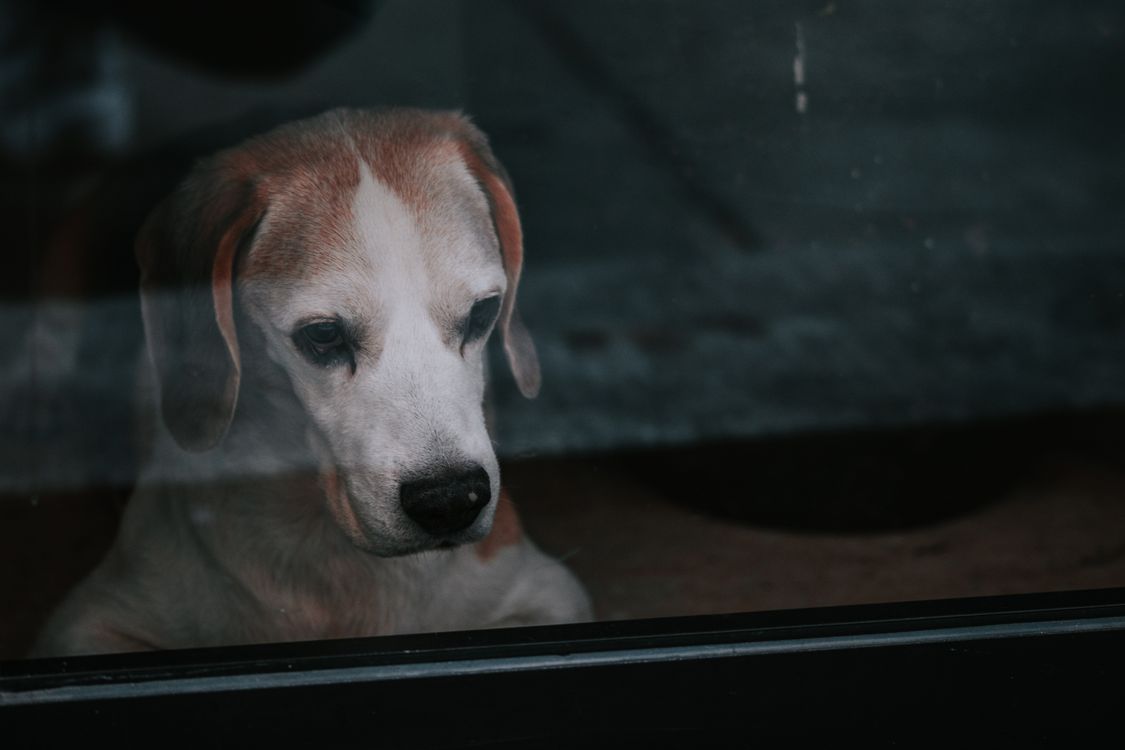
Researchers at the Swedish University of Agricultural Sciences ran 16 pet dogs through a simple test, published in the journal Animal Welfare. Each dog heard a 14-second recording of a lion growl twice: once after five minutes of play with its owner, and once after five minutes alone.
After the separation, the dogs paid more attention to the growl. They were also slower to start eating a treat that came with it, though that difference was not statistically significant. During the five minutes alone they whined more, barked more and moved less, which suggests the separation landed the way the researchers intended.
The measure is called attention bias. A mind in a negative state gives extra weight to anything that might be a threat. The threat here was a lion, a sound almost no pet dog has heard, and the dogs still leaned toward it.
What this means for your dog
If your dog gets home from a day alone and startles at the mail truck, that is not a character flaw. It may be a state that lasts a while. Give the dog twenty quiet minutes before guests arrive, before a nail trim, before the dog park. A sniffy walk and something to chew do more than a cheerful pep talk.
Keep the claim small. Sixteen dogs and one laboratory. The authors say attention bias may work as a short-term stress measure and that bigger studies are needed. Treat this as information about timing, not a diagnosis. It lines up with what we already know about how closely dogs read our faces and voices together.