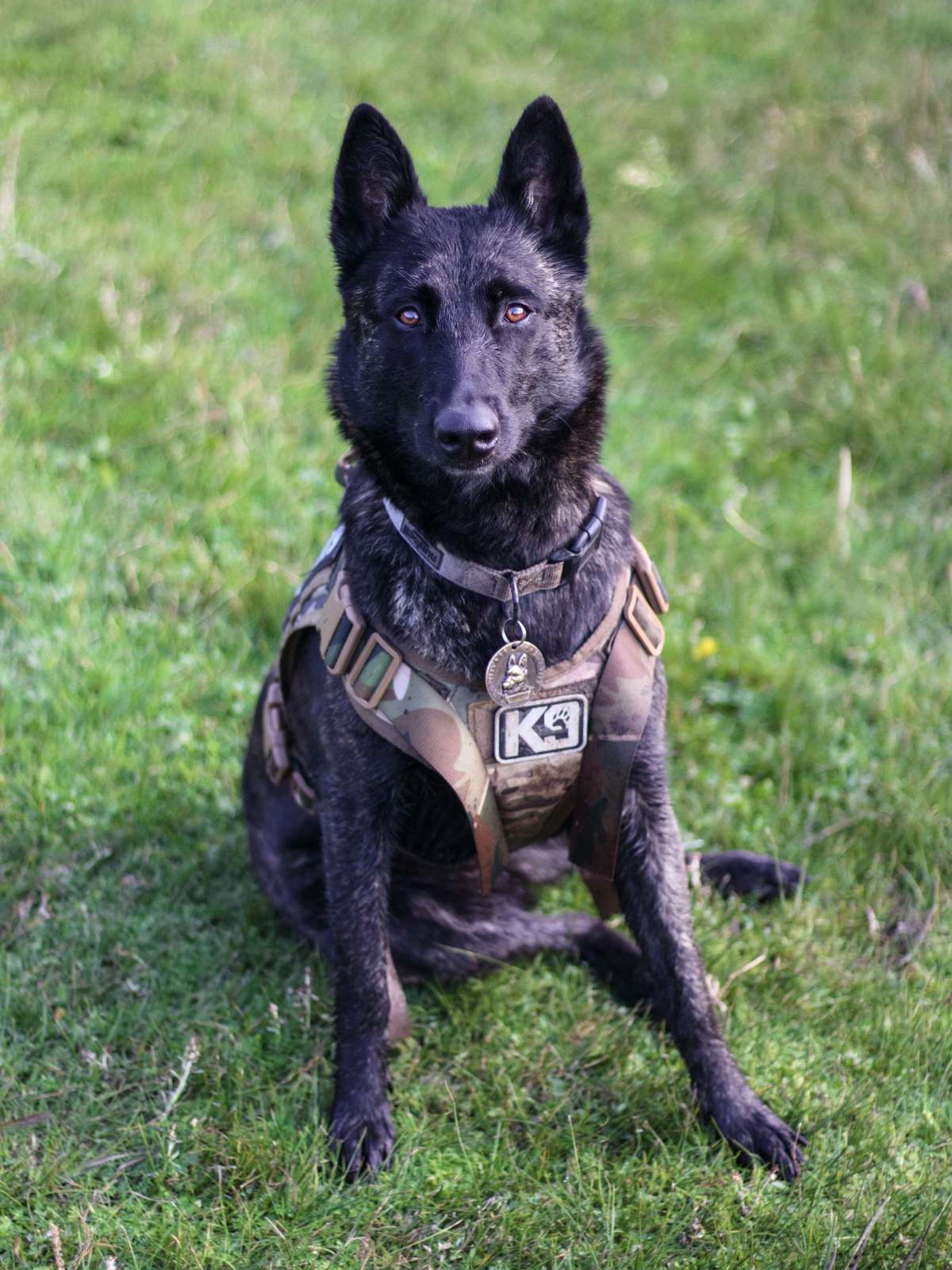
A police dog in South Korea retires at seven or eight, which for a German shepherd or a Malinois is the start of old age. Until now, what happened next depended on the agency and a bit of luck. Only 23 percent found homes, according to the Ministry of Agriculture, Food and Rural Affairs. Another 60 percent stayed in agency kennels, and 17 percent had died by the time the ministry counted.
About 1,100 dogs serve across six agencies, including military, police, detection and rescue work, and roughly 140 retire each year. That number is rising as the current cohort ages out.
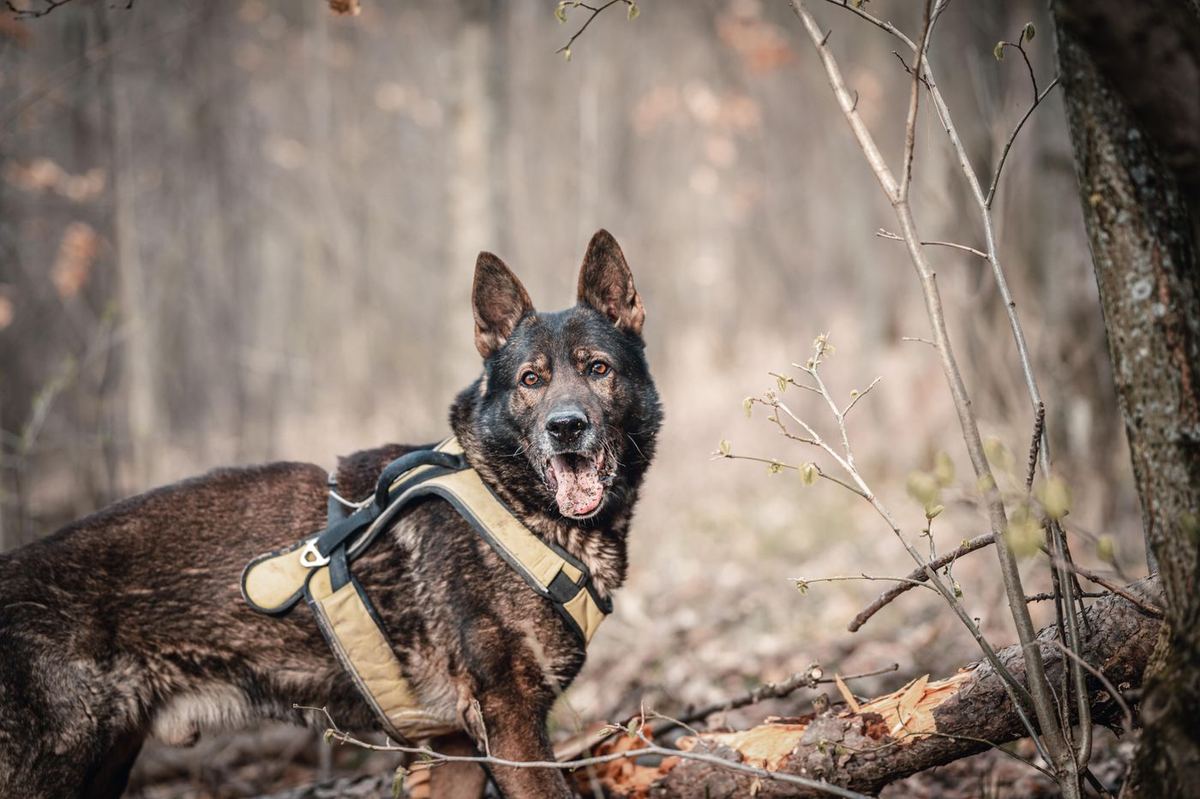
The fix announced this week is a retirement centre, planned to open in about three years, with room for 150 to 200 dogs. It will handle resocialisation and adoption, and keep the dogs too old or too ill to place. Four national university veterinary hospitals will become public hubs for retired service dogs, with a pilot discount of around 30 percent next year, and since April adopters can claim up to 1 million won, about $750, for care costs.
Two hundred places against 140 retirements a year leaves little slack, but it is the first time the answer has not been left to individual agencies.
What this means for your dog: if you ever consider adopting a retired working dog, expect a project, not a ready-made pet. These dogs have spent years on task, often in kennels, and many need months of quiet before a sofa feels normal. Ask what it was trained on, how it behaves around other animals, and who pays if the hips go at nine. Service dogs come with logistics even when the training is done.