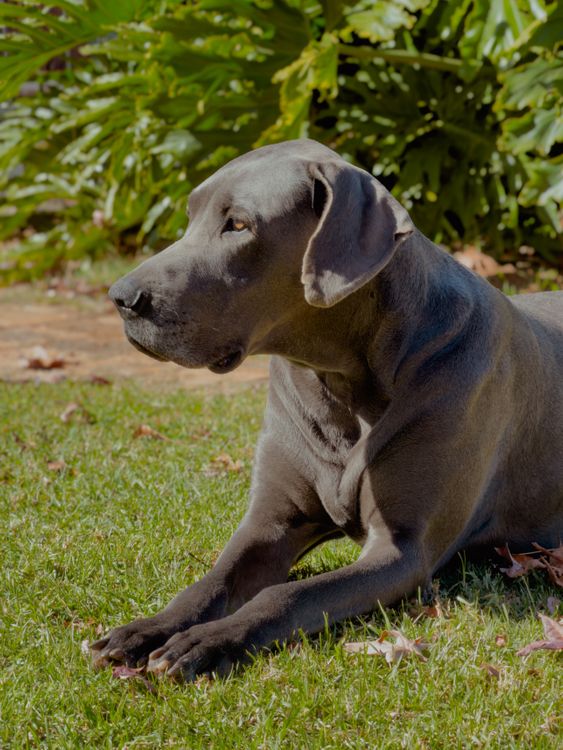
Matias Rodriguez flew from Chile to Canada in February with his dog beside him. Last week he could not get on a plane in Vancouver with the same dog.
Rodriguez, a construction worker who has diabetes, travels with Logan, a five-year-old Great Dane trained to warn him when his blood sugar climbs or drops too far. On October 24 he arrived for the trip home and was told the flight was full and there was no room for the dog. He was rebooked for the next day and got the same answer. He offered to buy three seats in a row. An agent told him a business class ticket, more than $3,000, might help, with no guarantee, and that flight only reaches Mexico City.
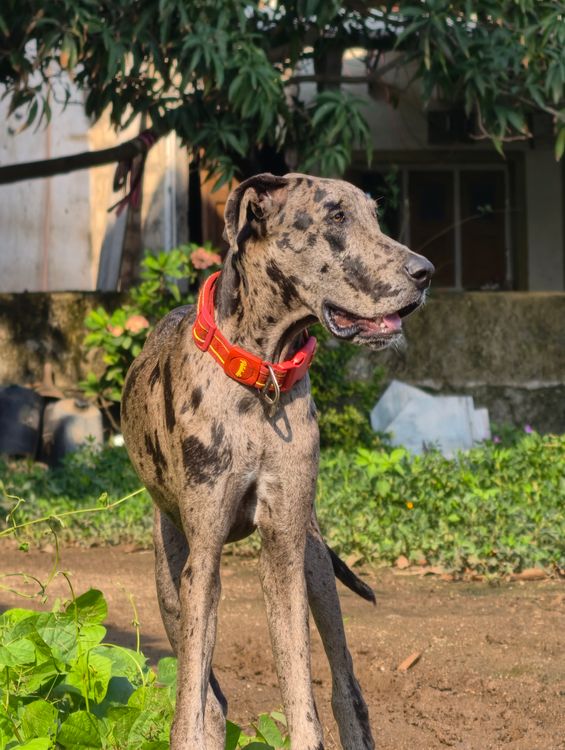
Aeroméxico has not responded publicly. Its website says service animals travel at no extra cost, then adds that “acceptance of such animals is subject to their size.” Its own guidelines set no weight limit for a service dog and offer a bulkhead seat for a large one at no charge.
What this means for your dog
If your dog performs a medical task, get the airline’s confirmation in writing before you pay, including the aircraft type and the seat you have been assigned. Bulkhead space goes first on narrow-body planes, and a gate agent facing a full cabin has almost nothing to work with. Arrive early, carry the current DOT service animal form for US travel, and ask for a supervisor instead of arguing at the door. Size is the soft spot in every rule: a dog who cannot fit in your foot space can be refused, so measure yours lying down before you book. Logan’s job is one more owners rely on, and the newer diabetes guidelines lean on the same careful watching between visits.