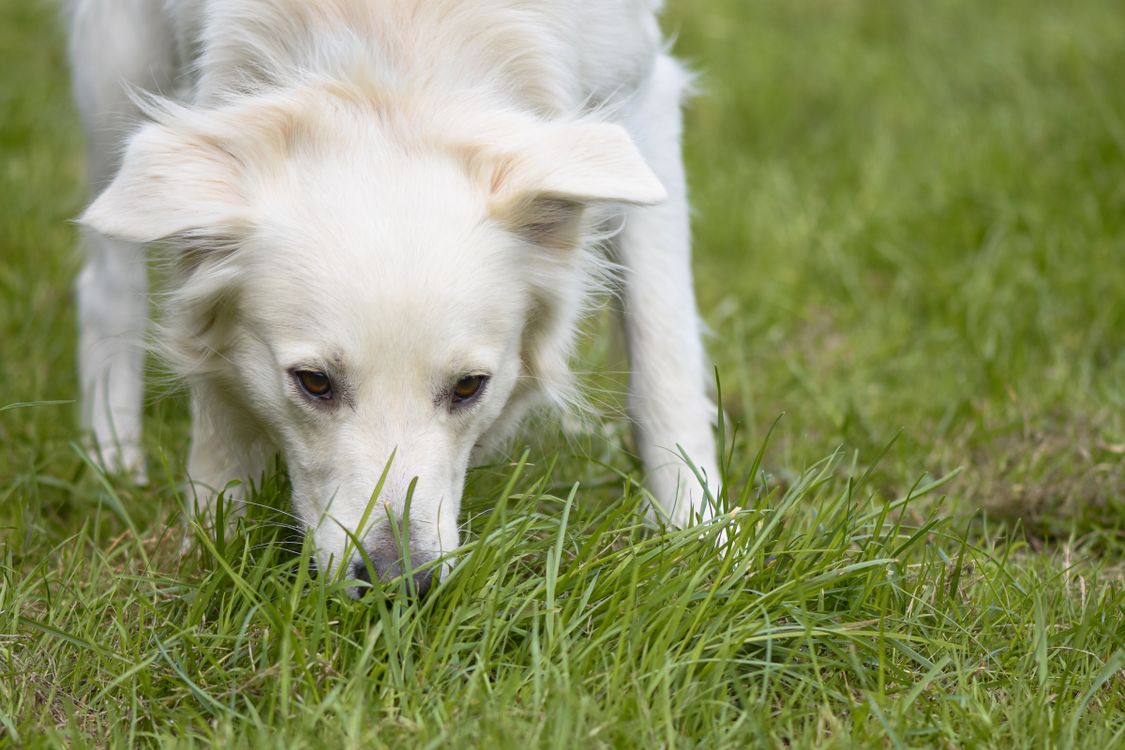
A dog named Sammy found mushrooms in the grass on a walk near her home and ate most of one before her owner, Taylor Sisson, could pull it out of her mouth. Sammy seemed fine. A few hours later she was panting, unsteady, and falling over.
The mushroom turned out to be Amanita pantherina, identified by staff at Pet Poison Helpline. Sisson said the dog was acting drunk, and the emergency team warned her to expect seizures. Vets in Coeur d’Alene gave Sammy IV fluids and medication for her tremors, and she went home the next day. The case was reported by dvm360.
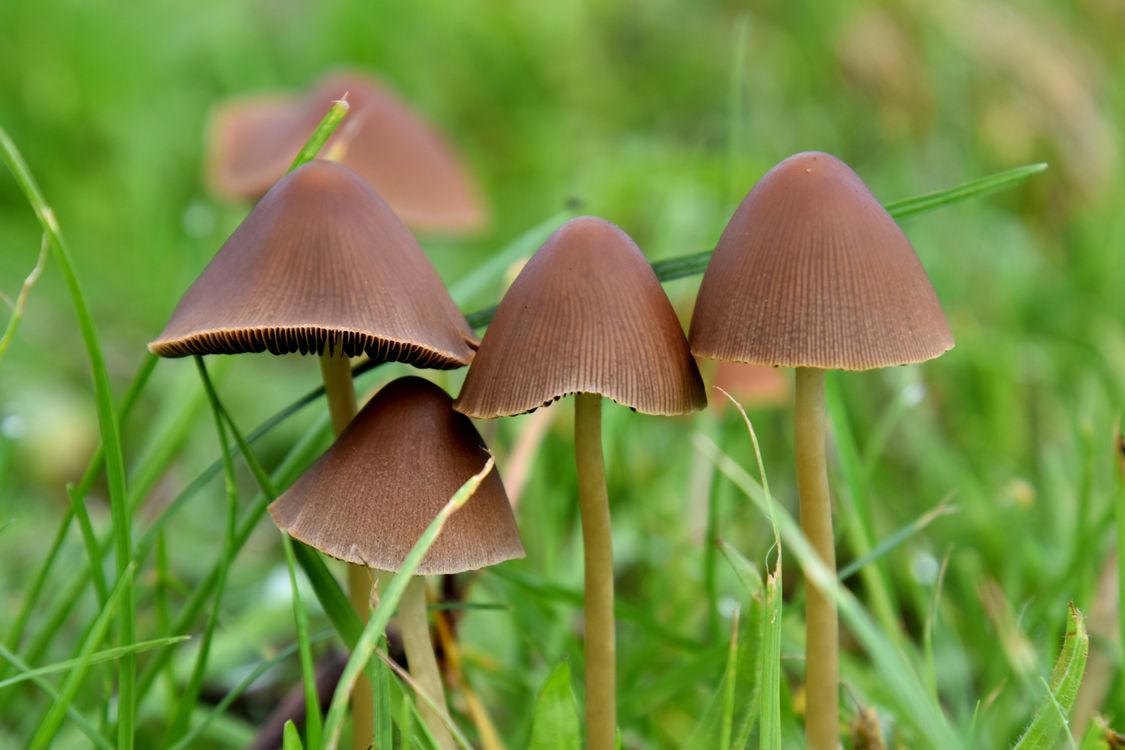
Most confirmed fatal mushroom poisonings in pets come from three genera: Amanita, Galerina and Lepiota. Symptoms include vomiting, drooling, tremors and seizures, and the worst cases end in liver or kidney failure. Renee Schmid, a senior veterinary toxicologist at Pet Poison Helpline, said identifying mushrooms by sight is unreliable, so the safer assumption is that every wild mushroom is poisonous.
What this means for your dog
Mushroom season runs through the fall, which puts damp field grass, woodland edges and backyard fungus patches in the risk zone. It is the same habit that keeps a dog out of the tomato patch: watch what goes in the mouth, not just what goes in the bowl.
If your dog swallows a mushroom, do not wait for symptoms. The delay is the dangerous part, since Sammy looked normal for hours before she collapsed, and that quiet window is when treatment works best. Note the time, photograph the mushroom if you can do it safely, and call your vet or a poison hotline (Pet Poison Helpline at 855-764-7661, ASPCA Animal Poison Control at 888-426-4435). Do not induce vomiting on your own. If your fall walks are getting longer, our fall hiking checklist covers the rest of the seasonal risks.