San Antonio recorded 2,696 dog bites in 2020. By 2025 the city logged 3,149, and the total is not the number worth watching. Severe bites climbed from 134 to 511 over the same stretch, a rise of about 281%, while bite reports overall went up 17%.
The numbers come from a San Antonio Express-News analysis of Animal Care Services records. A bite counts as severe when it leaves a deep or disfiguring wound, exposes tissue, breaks bone, or needs surgery, and a moderate wound to the head of a child under 10 can qualify too. Citywide, severe bites went from about 5% of cases in 2020 to more than 16% in 2025.
Some of the jump is bookkeeping. San Antonio tightened its bite classification standards in December 2024, which pushed later reports into the severe column. The climb started before that. The animal services director credits the 2023 mauling death of 81 year old Ramon Najera with making people more willing to report bites, and a rescue director in the city points to the pandemic puppy boom: dogs raised in quiet homes that suddenly had to share sidewalks and porches again.
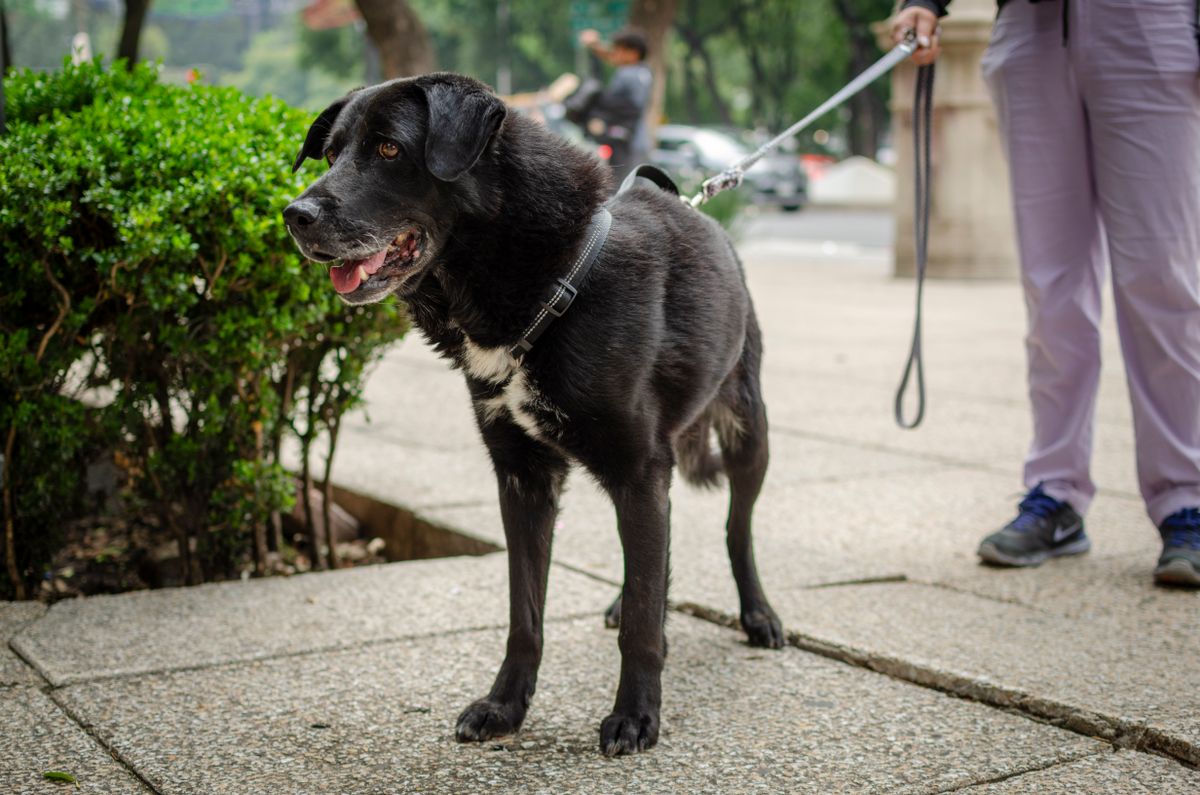
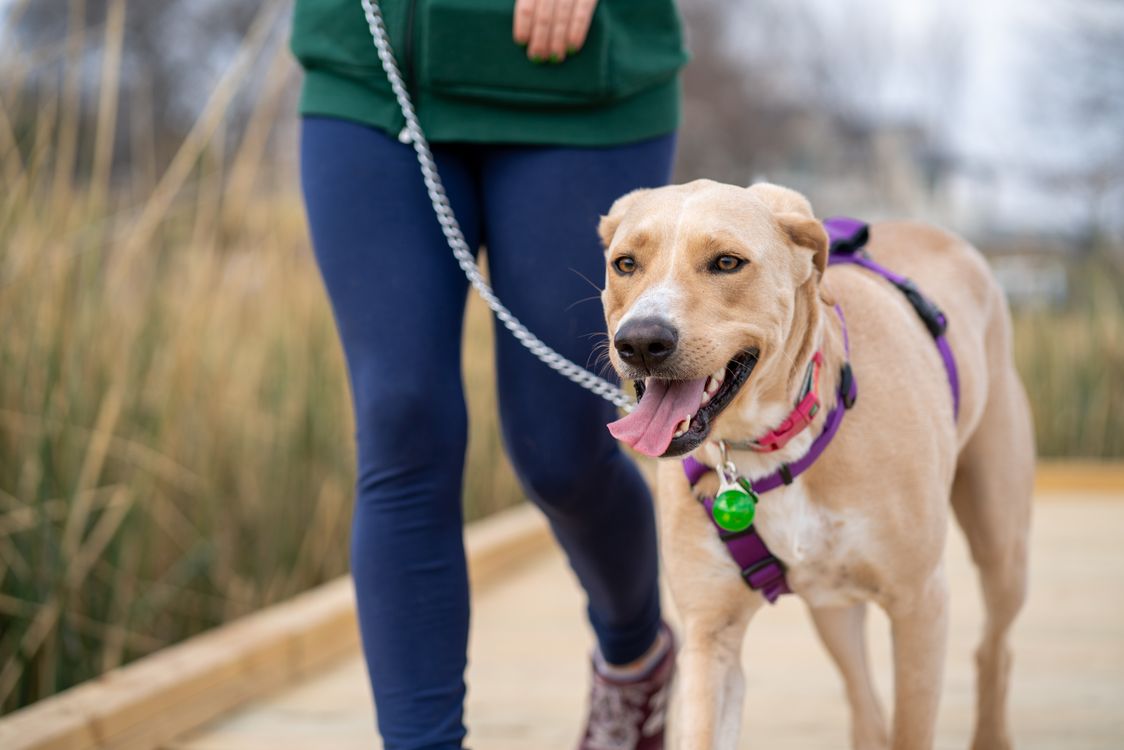
What this means for your dog: most bites are not the work of bad dogs. They come from dogs who were never shown what to do when a stranger leans over them, a child grabs an ear, or another dog stares too long. Keep your dog leashed in public and behind a solid fence at home, learn the early signals (a stiff body, a hard stare, a tail tucked low), and be the person who steps in when a greeting stops going well. If your dog does bite someone, report it. The animal gets a 10 day quarantine and a rabies check, and the record is what tells a city where the problems are. We covered the reporting side in why rabies exposures are up and in what to do after a rabid raccoon turns up in your area.