
Ask a Great Dane owner and they will tell you the years go fast. A study published October 8 in the journal Science, led by researchers at Arizona State University, offers the clearest molecular explanation yet. Large breeds lose protective chemical tags on their DNA faster than small ones, and that loss tracks with shorter lives and higher rates of age-related disease.
The team mapped DNA methylation, the marks that help decide which genes get switched on, in 864 dogs enrolled in the Dog Aging Project. With age those marks faded across the genome, most sharply in stretches called transposable elements, or jumping genes. More than 40% of LINE1 regions lost methylation over time, and giant breeds shed roughly 35% more LINE1 methylation per year than small breeds. The researchers also found differences between male and female dogs that they had not expected.
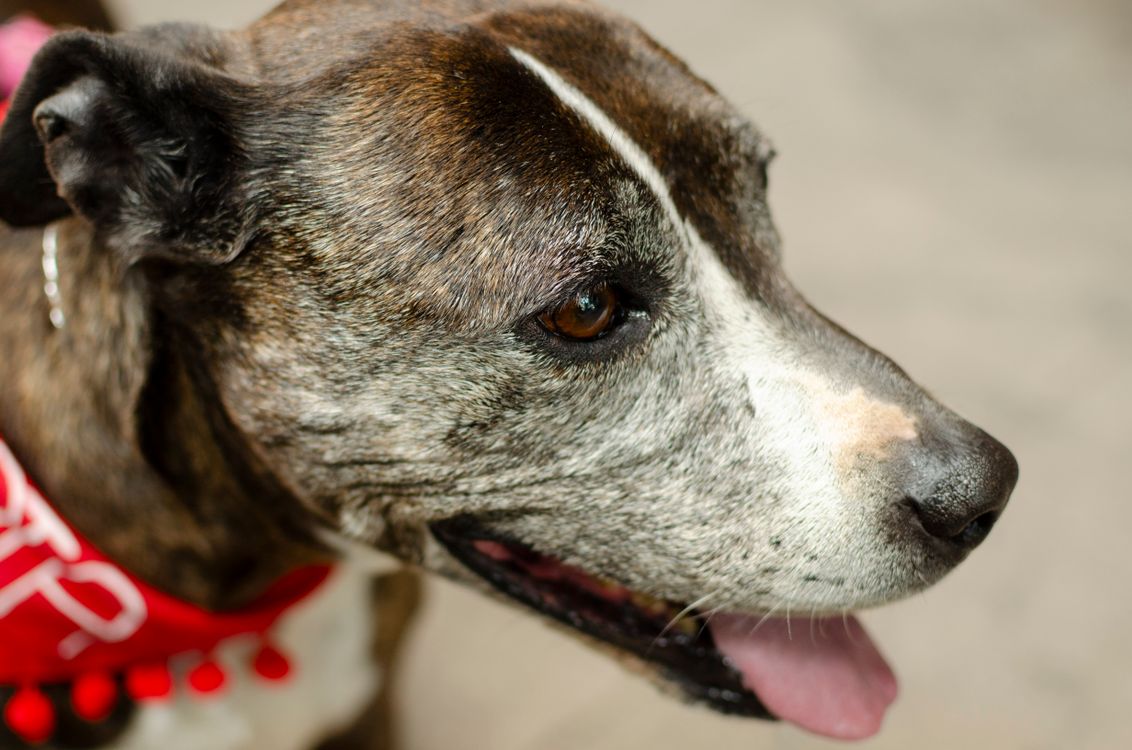
Co-author Blaise Mariner called the pattern one of the clearest molecular signatures yet linked to the size-lifespan tradeoff.
What this means for your dog
In practice, size is a timetable. The familiar seven-human-years-per-dog-year math is an average that oversells small breeds and undersells the giants. If you live with a large or giant breed, ask your vet when to start senior checks, and expect that answer to come earlier than it would for a terrier: baseline bloodwork, weight and mobility tracking, and a note on any change in how your dog climbs stairs or rises from the floor. Small observations are the cheapest early warning system you get. Researchers studying old dogs are chasing answers about human dementia too, which is one more reason to monitor an aging dog closely.