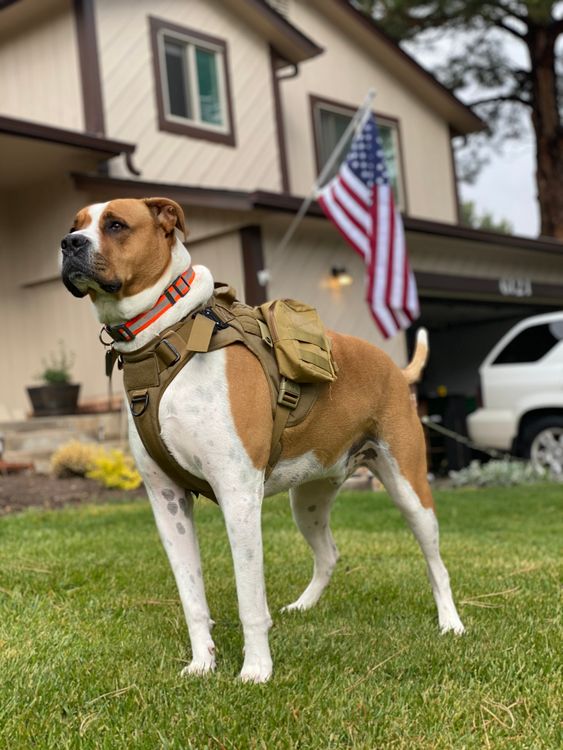
A deaf puppy whose first family gave him up at a shelter is now preparing to deploy with the Michigan National Guard. Axel, a three-year-old Dogo Argentino, works as a ministry dog with the 1st Battalion, 125th Infantry Regiment. He cannot hear a single spoken command, and he does not need to.
His handler, Sgt. Mollie Karazim, taught him more than 50 hand signals, several of them built on American Sign Language. Instead of waiting for a voice, Axel watches her. He rides in Humvees, spends drill weekends with the soldiers, and wears a vest and collar that mark him as on duty. Karazim calls him an icebreaker, the kind of dog who gets someone to stop and smile, which can open a door that a direct conversation would not. The full story is at iHeartDogs.
What this means for your dog
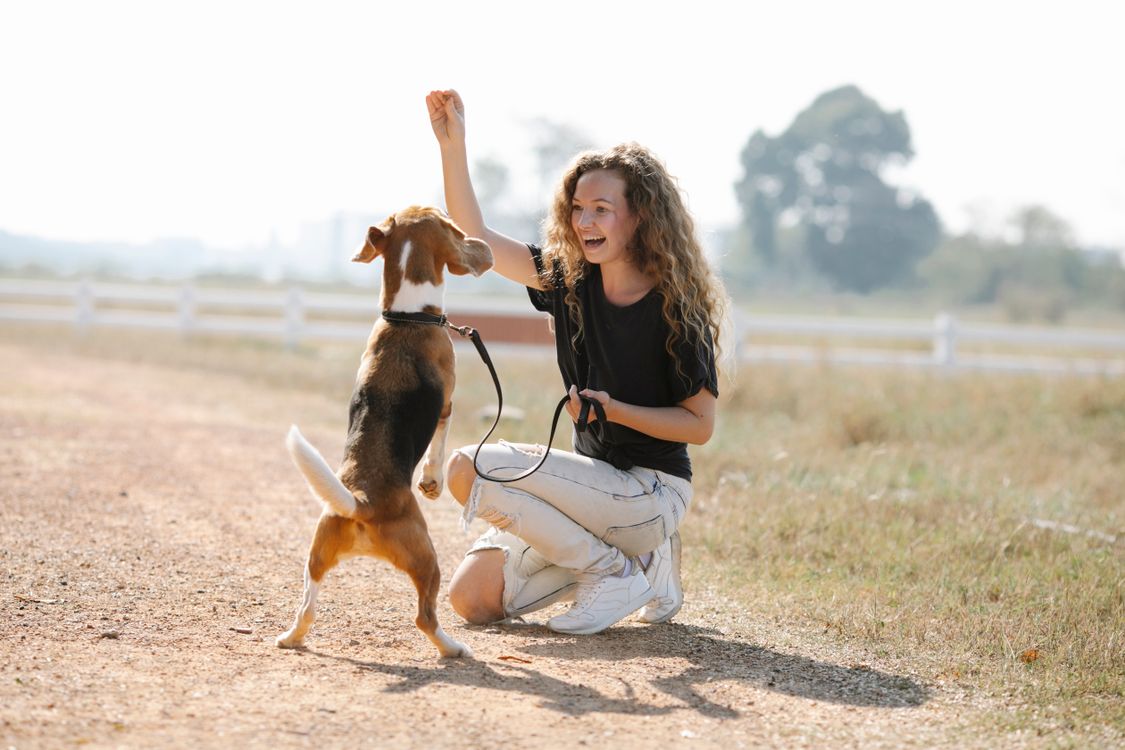
Deaf dogs are one of the most misunderstood groups in any shelter. People assume a dog who cannot hear is harder to train, and the trainers who work with them report the opposite: the channel changes and the method does not. Pair a visual cue with a reward, keep that cue identical every time, and your dog learns it exactly the way a hearing dog learns “sit.” Hand signals hold up in noise and at a distance, which is part of why deaf dogs end up in the field and in competition work. Axel got his start the same way, one signal at a time, long before the vest.
You can borrow the habit even if your dog hears perfectly well. Add a hand signal at the same moment as the spoken cue, reward the response, then practice the pair in busier places until it holds (proofing cues against distractions). Most of what looks remarkable about Axel comes down to consistency and paying close attention to the dog in front of you, the same lesson a talking sheepadoodle taught her owner (Bunny and her soundboard).