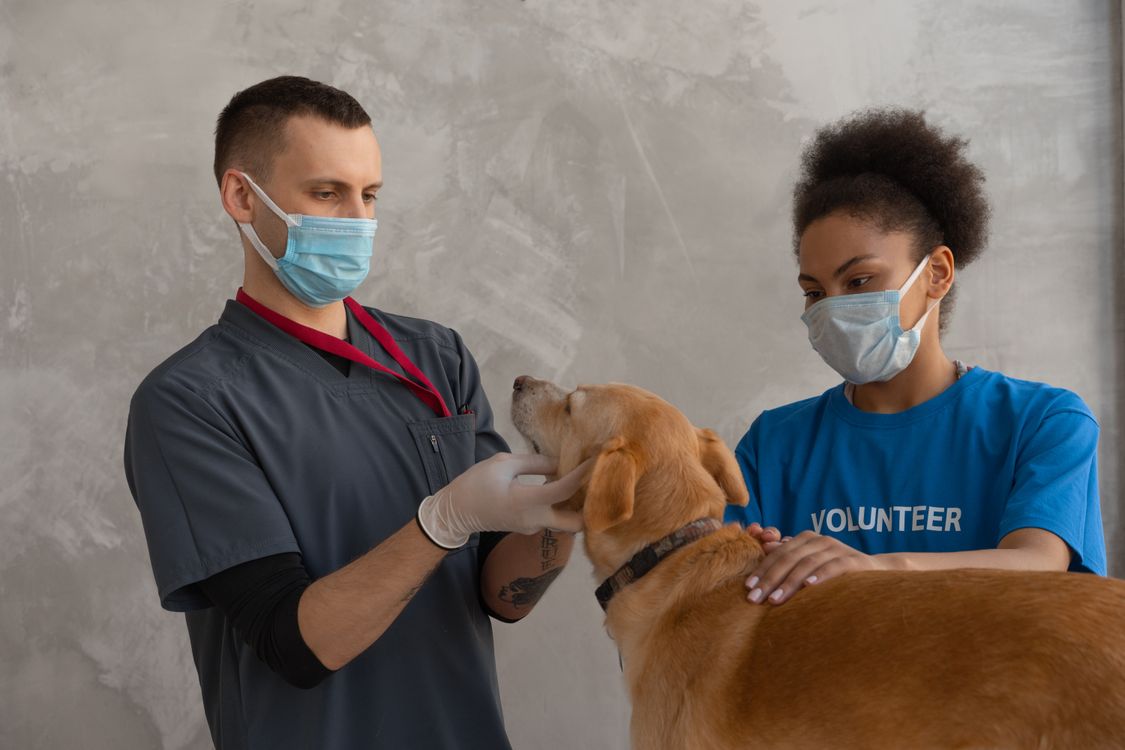
Dog breath is a running joke until it is not. If your dog’s mouth smells bad no matter how often you brush, that smell is information, and some of it is worth acting on quickly.
The everyday causes are the harmless ones. Dogs eat things they should not, and the odor usually clears once you brush. Breath that stays bad is more often bacteria building up on the teeth, and bacteria that sits there hardens into tartar. The gums underneath it get inflamed, which is the start of dental disease, one of the most common problems vets treat in adult dogs.
Bad breath can also point to something outside the mouth. Kidney disease changes the smell in a specific way. When the kidneys stop clearing urea and other nitrogen waste, those wastes build up in the blood, and saliva converts some of it to ammonia. Owners describe it as fishy or urine-like, sometimes with a metallic taste that leaves a dog licking obsessively. Vets call that buildup uremia, and it rarely travels alone. Weight loss, pale gums, vomiting, and stumbling are the other signs to watch for. If those show up alongside the smell, call your vet today instead of waiting for the next appointment.
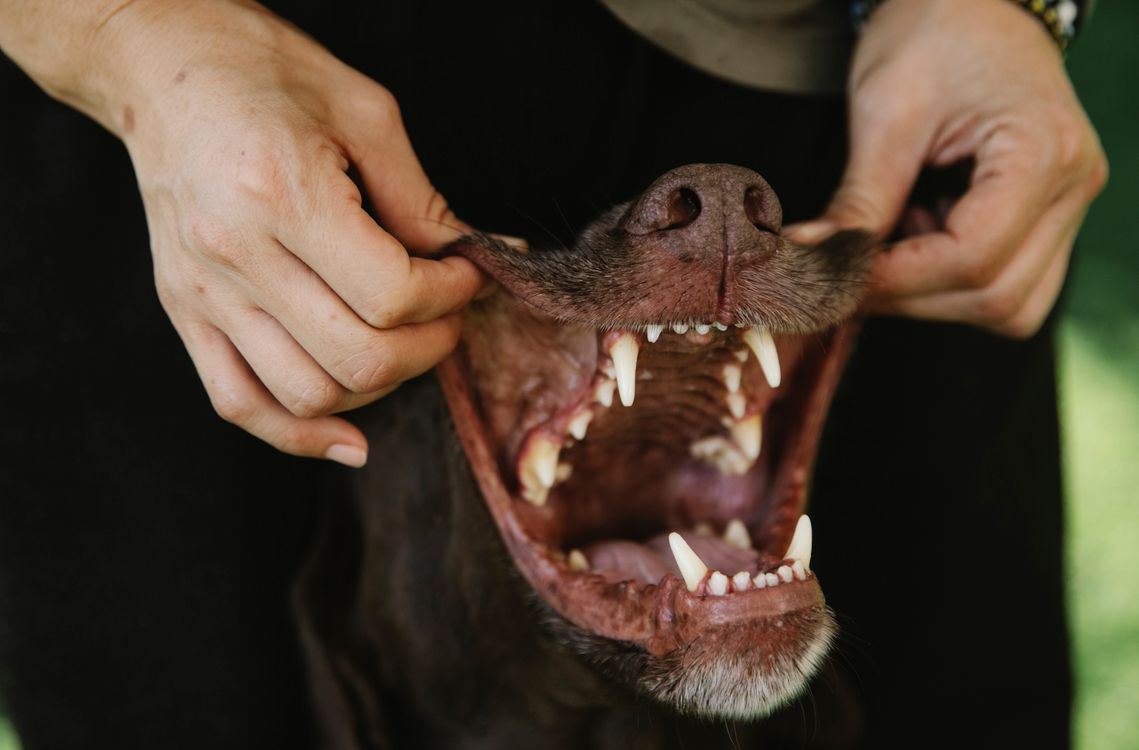
What this means for you and your dog: get into the habit of checking the back molars every week, and ask the vet to look at the mouth at every exam. Dental cleanings get postponed more than most procedures, partly because cost is the reason owners say no and partly because a dog with sore teeth hides it well. Bad breath on its own usually means teeth. Bad breath plus any of the symptoms above is a different conversation.
The full symptom list is at iHeartDogs.