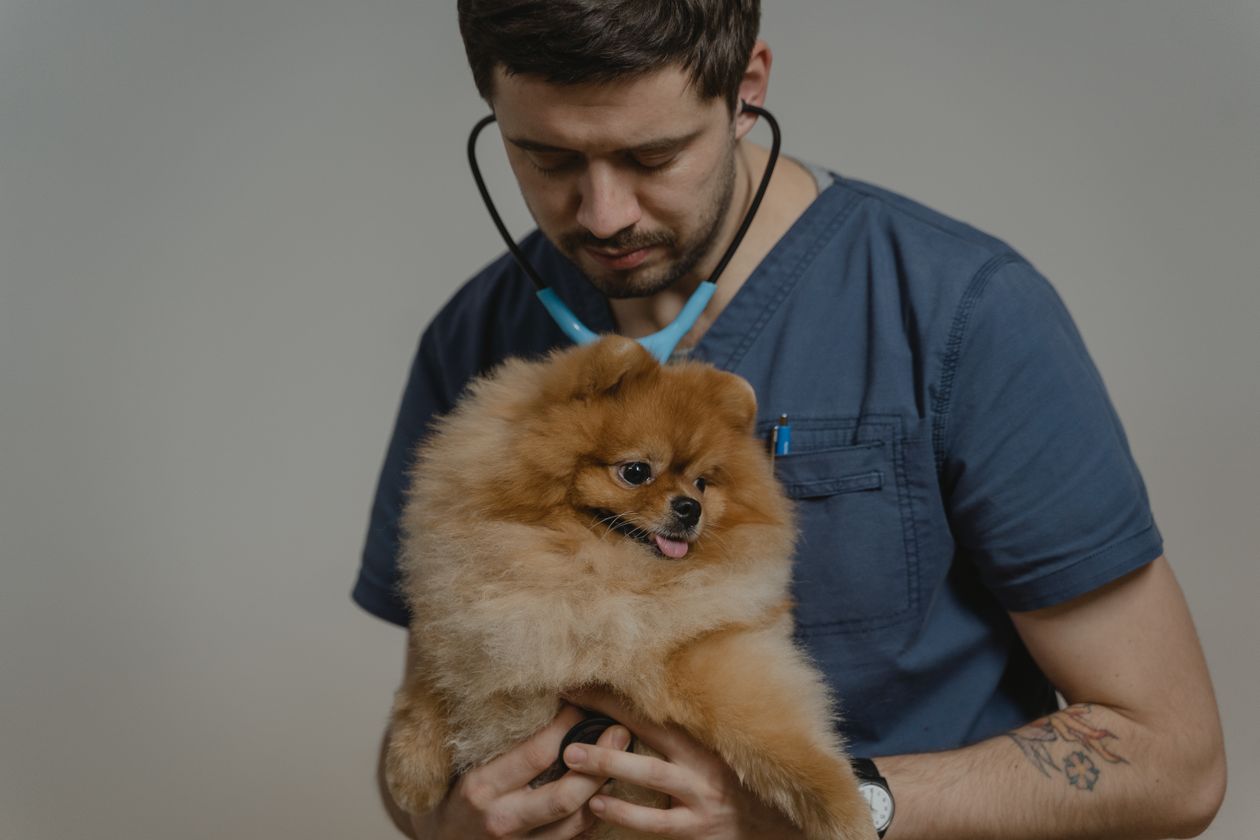
You find a lump on your dog that was not there last month. Your vet says it is cancer. For Rosie, an eight-year-old rescue Staffordshire bull terrier mix in Sydney, that lump turned out to be mast cell cancer, one of the most common skin cancers in dogs. Surgery and chemotherapy both failed, and her owner was told she had months to live.
Her owner, a tech worker named Paul Conyngham, did not accept that. He paid a university lab to read the DNA inside Rosie’s tumor, used AI tools to find the mutations that set it apart from her healthy cells, and worked with RNA researchers at the University of New South Wales to build a vaccine for one specific dog. Several of Rosie’s tumors shrank, some by a lot. The story went viral in March. By August it had a company behind it, Gamgee, backed by a $4 million seed round led by Founders Fund and accepted into Y Combinator’s summer batch. A 30-dog clinical trial is now running in Australia.
It is a remarkable story. Before anyone calls it the end of canine cancer, here is what happened, what it proves, and what it does not.
How you make a vaccine for one dog
Mast cell tumors come from immune cells in the skin, and they show up most often in middle-aged and older dogs. The standard treatment is surgery to remove the lump, sometimes followed by chemotherapy or radiation. Rosie’s cancer kept coming back.
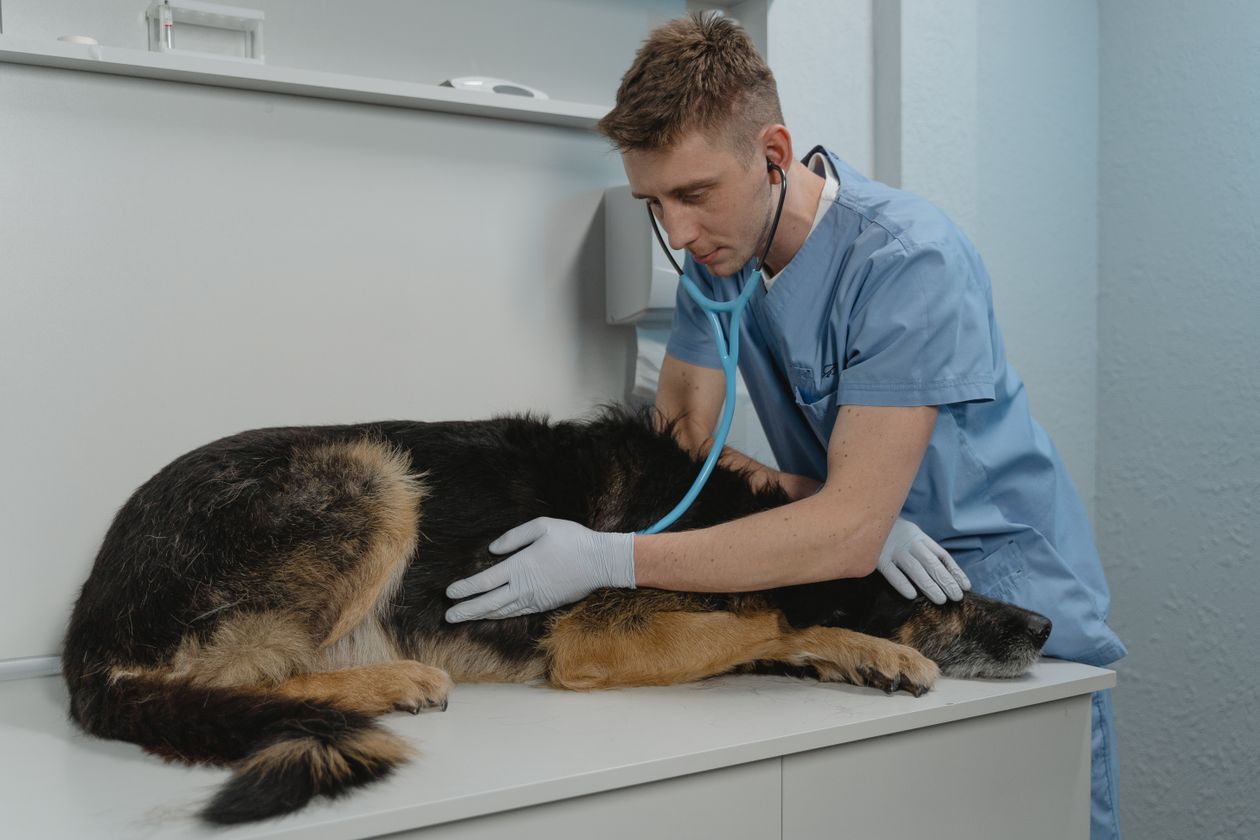
A personalized mRNA vaccine is a different idea. Instead of preventing an infection, it teaches the immune system to attack the cancer itself. Cancer cells carry mutations, spelling mistakes in their DNA that healthy cells do not have. Conyngham had Rosie’s tumor DNA and her healthy DNA sequenced, then used AI chatbots and protein-modeling software to sort through the mutations and pick the ones most likely to catch her immune system’s attention. Those targets are called neoantigens. Researchers at UNSW’s RNA Institute reviewed the list, designed the messenger RNA, and manufactured the shot. Rosie got it at a veterinary research center, with boosters over the following months.
Think of the vaccine as a wanted poster. The mRNA shows the immune system what the cancer cells look like. The immune system does the hunting.
What Rosie’s case actually proves
The honest part comes next. Rosie’s tumors did shrink, her owner reported her energy improving, and she reached remission. But one tumor did not respond at all, which led to a second vaccine aimed at different mutations, and her cancer returned after a later surgery.
Justin Stebbing, a professor of biomedical sciences at Anglia Ruskin University who analyzed the case for The Conversation, lists the limits plainly: a single dog, no control group, and a cancer that is known to change course on its own. No one can say how much of Rosie’s improvement came from the vaccine, how long any benefit would last, or whether the approach would help another dog. And the AI did not do the science. Qualified researchers checked its work and handled the hard parts in the lab.
None of that means the case is worthless. It means it is a starting point, not a finish line. Gamgee’s trial in eastern Australia is recruiting dogs with mast cell cancer, and enrolled dogs are treated at no cost. The company is also working with the USDA on how a made-to-order biologic would be regulated in the United States. Human medicine is further along with the same idea: personalized mRNA cancer vaccines are in late-stage trials for melanoma, where one candidate cut the risk of recurrence or death by 44 percent in a randomized study.
What this means for your dog
This story does not change what your veterinarian can offer you today. Personalized mRNA vaccines are not sitting on any clinic shelf. Gamgee’s trial has a narrow door: specific cancer types, countries, eligibility rules. If the trial data holds up, expect years, not months, before this becomes an option most owners can reach, and expect it to be expensive when it gets here.
What you can do now is plainer and more useful. Run your hands over your dog’s body regularly, and have any new lump checked, especially one that grows or lasts more than a month. Cancer caught early is easier to treat, whether the treatment is surgery, chemotherapy, radiation, or someday a vaccine built from your own dog’s tumor. If your dog does get a cancer diagnosis, ask about a board-certified veterinary oncologist and about clinical trials. Trials like Rosie’s are how treatments become real. Researchers are even testing whether dogs can smell hemangiosarcoma, a cancer of the cells lining blood vessels, which we covered when new research suggested dogs can pick it up by scent.
Need a refresher on the basics? The K9 Pie Dog Health 101 hub collects plain-language guides on cancer, heart disease, and other conditions worth knowing before an emergency forces the issue.
One more thing: nothing here is veterinary advice. Your vet knows your dog, its history, and its risks. Headlines about miracle vaccines are exciting. A conversation with a real veterinarian is where decisions about your dog’s health should start and end.