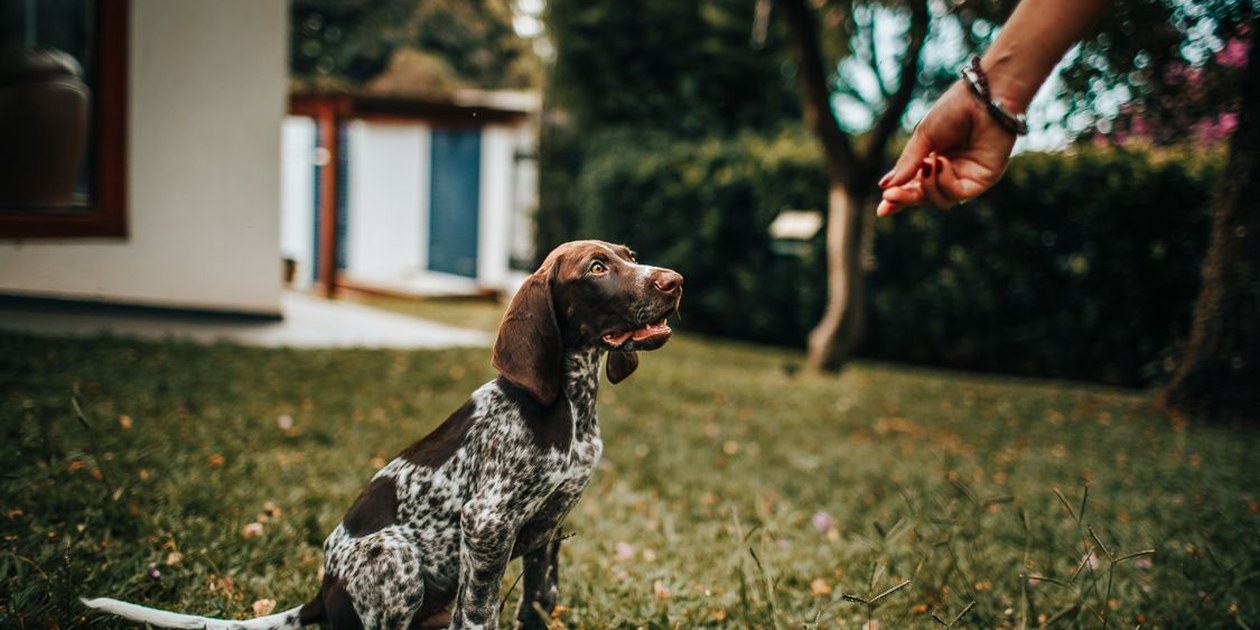
Tell a dog “good dog” in a flat voice while grinning, and something in the dog’s brain notices the contradiction. Researchers at the Nara Institute of Science and Technology in Japan wanted to see what happens in that moment, so they fitted three pet dogs with EEG caps and recorded their brain activity while each dog watched clips of its own owner.
Each clip paired a photograph of the owner’s happy or angry face with a recording of the same owner’s voice carrying one of those emotions. When face and voice matched, the dogs produced one pattern of response. When they conflicted, a later response came in larger, between 250 and 500 milliseconds after the voice began. The effect held most reliably at one frontal electrode, though the exact locations varied from dog to dog. The study ran in Scientific Reports in August.
What this means for your dog
Three dogs is a small sample, and the authors say so plainly. Their data cannot yet separate real cross-sensory integration from a simpler jolt at something unexpected. What it does show is that the method works, and that dogs register the mismatch.
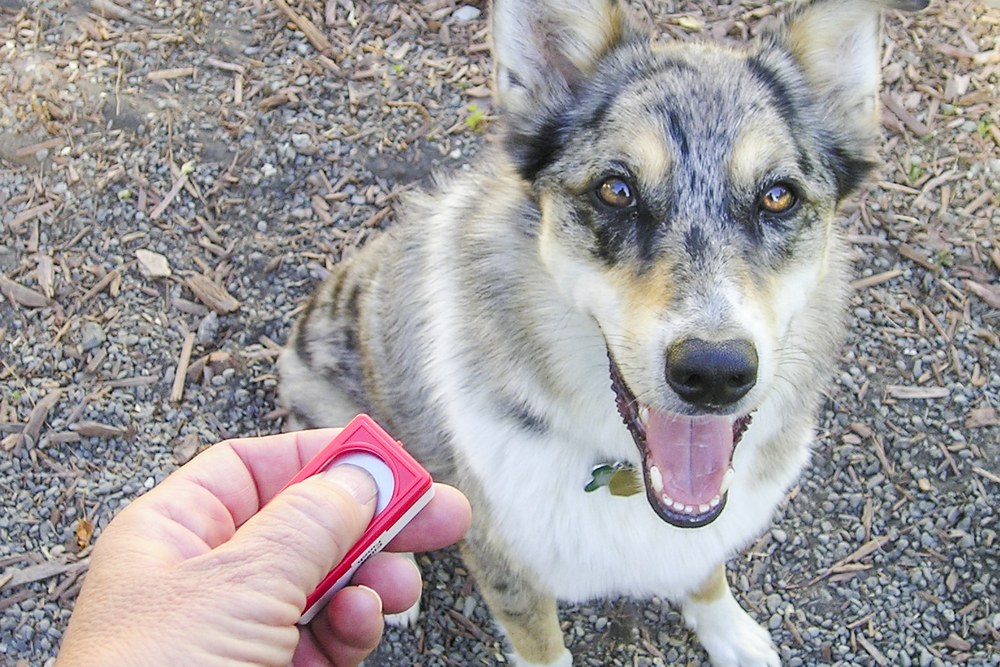
For training, that argues for keeping your face and voice pointed the same direction. Cheerful words delivered with a tight jaw and a lean forward is two messages, and the dog has to pick one. The same thing happens on recalls: people call in a bright voice while their body says stay put.
Pick one message per moment. Your dog is already reading both channels, and there is good evidence that the quiet version of that contact does measurable work on stress.
Photos: Helena Lopes via Pexels; clicker training photo by Ellen Levy Finch, CC BY-SA 3.0, via Wikimedia Commons.