
Victoria Starr Ferraro parked her grooming van in a driveway in San Antonio’s Davis Ranch neighborhood on Wednesday afternoon to groom a 10-year-old dog named Oliver. Neither of them came out. The Bexar County Medical Examiner’s Office found that carbon monoxide toxicity caused Ferraro’s death, and investigators have not yet said how the gas built up inside the van.
Ferraro, 60, worked for Dog Gone Clean. When she went quiet for several hours, Oliver’s owner asked a neighbor to check. Deputies found both unresponsive in the van around 5 p.m. and pronounced them dead at the scene. No foul play is suspected. The family said mobile grooming vans should carry carbon monoxide alarms and proper ventilation, and groomers have begun talking about vehicles that run generators and heaters in a closed space. Local coverage of the case is here.
What this means for your dog
Carbon monoxide has no color or smell, so a dog cannot warn you and a groomer may not notice. Signs look like ordinary tiredness: sluggishness, confusion, wobbling, vomiting, gums that look unusually bright red. If your dog comes out of a van or a car flat and glassy-eyed, call your vet and say what you suspect.
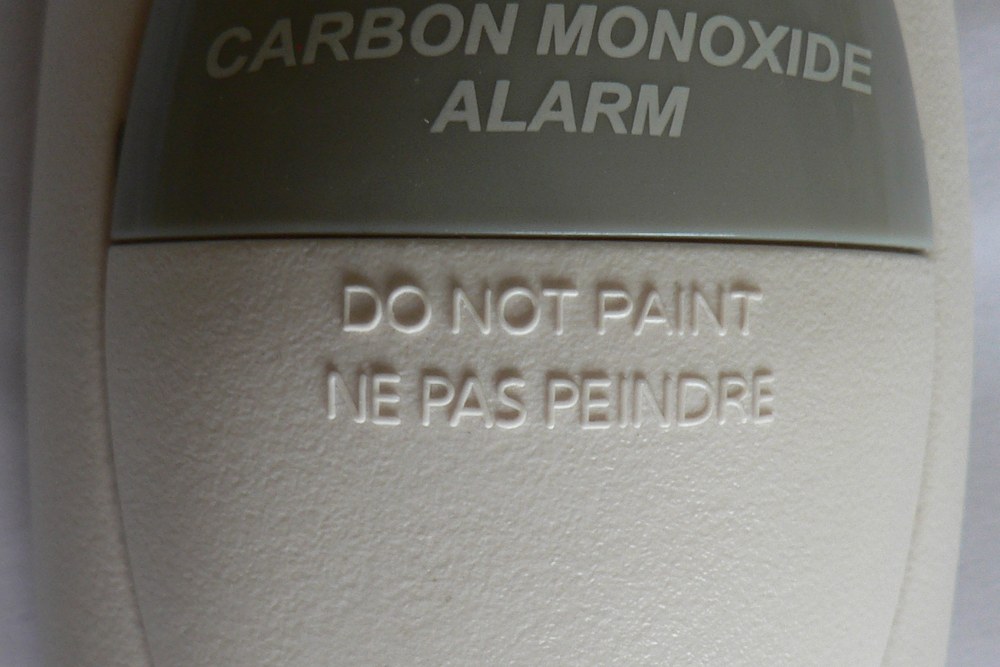
Two questions are worth asking before your next appointment. Does the van have a working carbon monoxide alarm, and where does the exhaust from the generator go? An alarm costs about as much as a bag of treats and is the cheapest safety upgrade in the business. If you are home, ask the groomer to prop the cabin door open between dogs.
The investigation is still open. Asking costs nothing. Vehicles are unforgiving in other ways too: leaving a dog alone in a hot car now carries fines up to $10,000 under the AKC’s model rule.
Photos: Tima Miroshnichenko via Pexels; carbon monoxide alarm by Sideroxylon, public domain, via Wikimedia Commons.