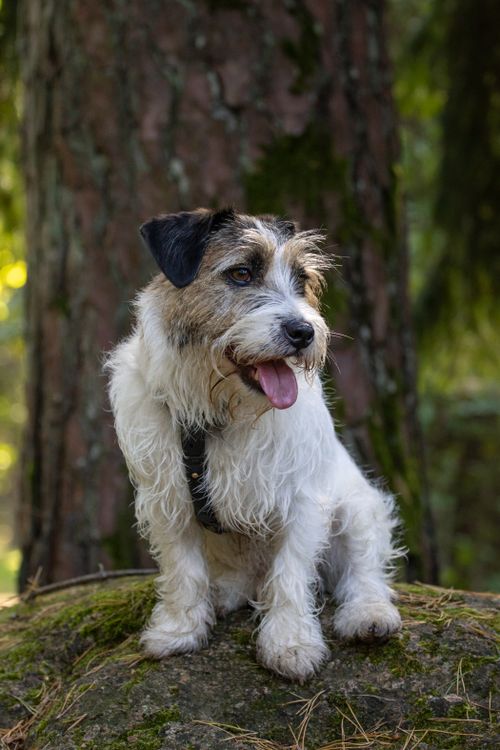
Luna, a 10-year-old Jack Russell terrier, slipped out of her family’s rented cabin in Yellowstone’s Canyon Village on September 10 and vanished into a park full of grizzlies, wolves and mountain lions. Thirty-four days later, rescuers found her curled up in a doghouse inside a live trap.
Her family, visiting from California, left her behind while they toured Norris Geyser Basin, where dogs are not allowed. A housekeeping employee opened the door by mistake and Luna bolted, then ran deeper into the trees when staff chased her. Her owners searched for a week and drove home believing she was dead.
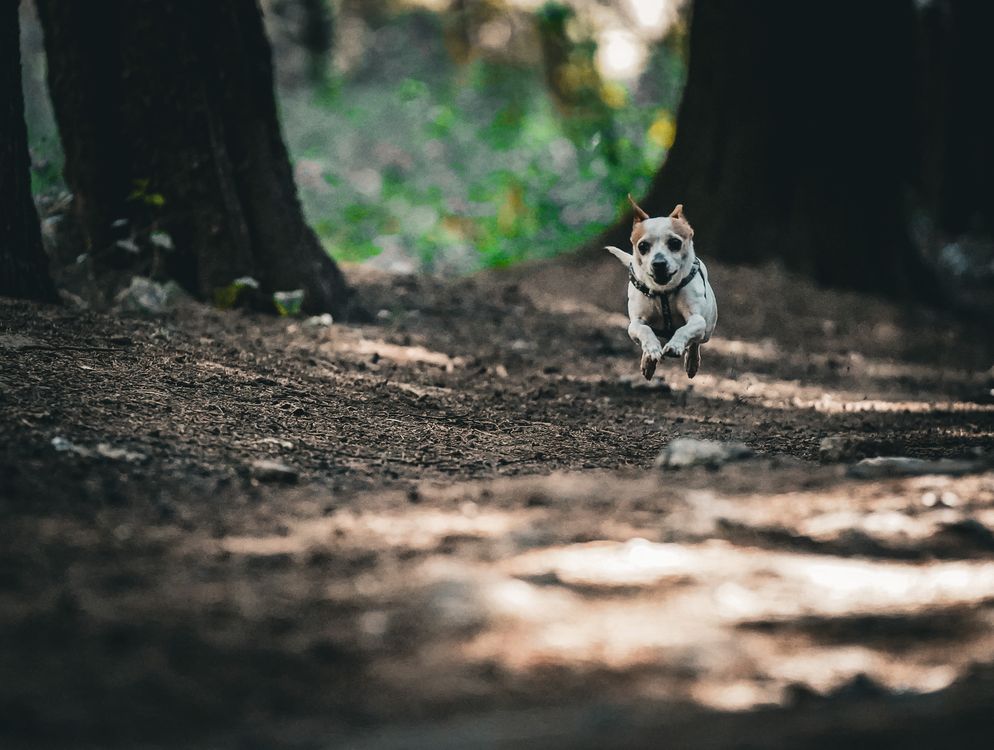
Katie Boucher, of Montana’s Norris Ark Training and Recovery Center, logged dozens of sightings: Luna crossing intersections, sleeping in employee housing, slipping into park lodges through automatic doors. A feral street dog for her first year before being adopted, she fell back on those survival skills fast, Boucher told the Associated Press, and the sightings traced the route her family walked the day she was lost.
Scent got her out, not speed. Boucher set a live trap holding a doghouse and cloth strips cut from the family’s T-shirt and pillowcase. When she returned to reset it, Luna was already inside, 10 pounds lighter than the 18-pound dog who escaped.
What this means for your dog
The rescue had one rule: nobody calls her name, nobody chases her, nobody feeds her. Locals and tourists broke it anyway, and every time they did, Luna ran further into the park. A frightened dog does not read an outstretched hand as help.
Work with the nose instead. Leave an unwashed shirt where the dog was last seen, set a humane trap with familiar bedding, keep the area calm, and call a local tracker. A collar tag and a current microchip are still the fastest way home, as the terrier who rang her own doorbell at 3 a.m. found.