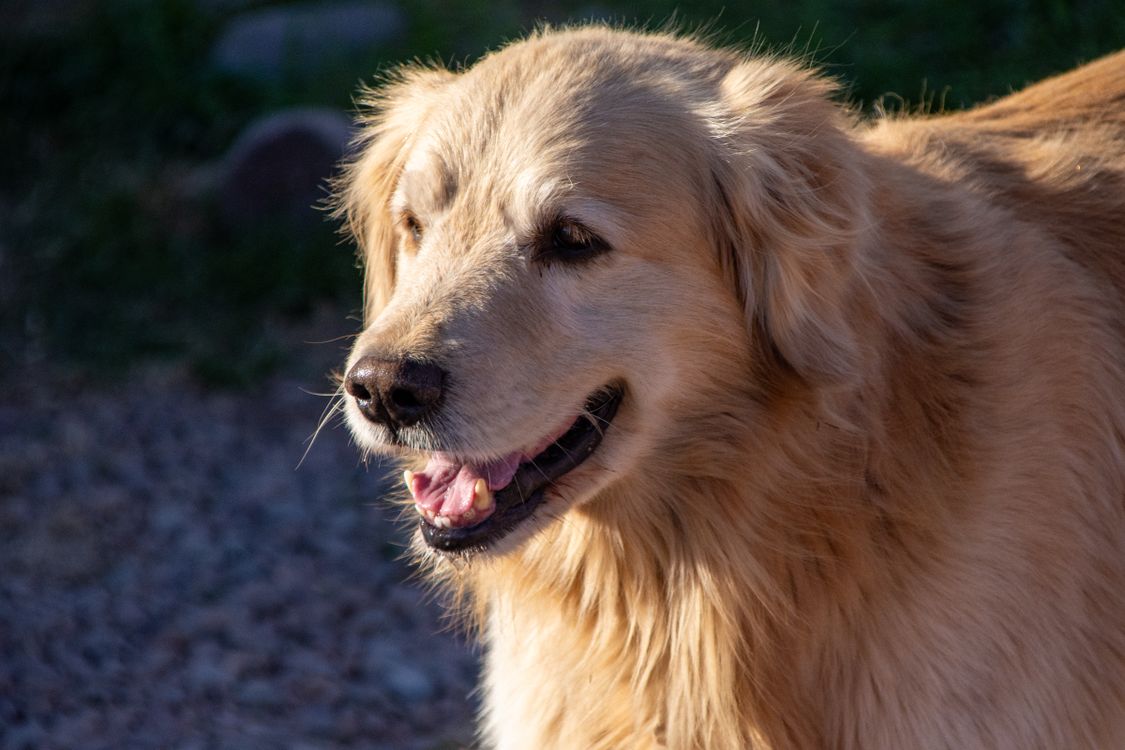
Your standard poodle keeps getting skin flare-ups that clear up and come back. Your golden retriever has scratched for two years and no diet change has helped. Your vet can name what is happening, but when you ask why this dog in particular, the honest answer is that canine immunology still cannot say with precision. The tools needed to answer that question were built for people and mice. Dogs were mostly left out.
That gap just narrowed. A team at the University of Minnesota College of Veterinary Medicine has published the first description of how two common dog immune variants decide which protein fragments to display to the rest of the immune system. The work appears in The Journal of Immunology.
Why dog immunology stayed behind
T cells cannot see a whole protein. They read short fragments, called peptides, held up for inspection by molecules called MHC class II. In dogs, those molecules are named DLA. Which peptides a dog’s DLA variant grabs decides what its immune system pays attention to, and certain variants show up far more often in dogs that develop autoimmune disease. Until now, nobody had described which peptides any canine variant actually prefers.
“Much of the canine immunology field still relies on tools and assumptions from the 1980s,” lead author Haree Lang said, while human and mouse immunology moved on to single-cell sequencing, high-throughput T cell receptor sequencing, and other modern tools years ago.
What the team actually mapped
The study comes from the lab of Steven Friedenberg at the University of Minnesota, with Lang and colleagues at the university’s Center for Immunology. They focused on two variants: DLA-DR15, common in Standard Poodles, and DLA-DR12, common in Golden Retrievers. Both breeds are known for high rates of immune-mediated and autoimmune disease, and for cancer.
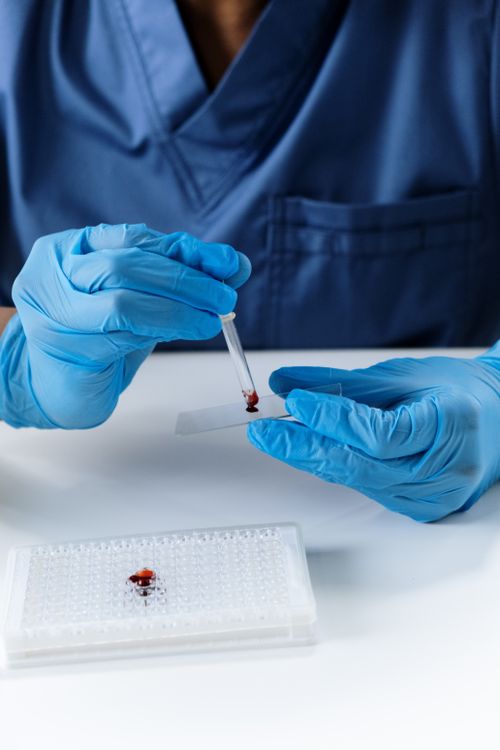
Capturing these rules takes fussy lab work. Dogs carry two display molecules, DR and DQ, on the same cells. If the antibody used to isolate DR also grabbed DQ, the peptide mixture would be impossible to sort out. The team built cell lines that expressed only one molecule at a time to confirm the antibody was pulling DR alone. Then they took spleen tissue from dogs carrying two matching copies of a single variant and recovered the peptides already loaded onto those molecules. Mass spectrometry read out the sequences.
The result: about 1,900 peptides from DR15 and 900 from DR12. Clear preference patterns emerged for 838 of the DR15 peptides and 644 of the DR12 peptides. Both variants favor a bulky, water-repelling amino acid at the first anchor position. They split at the ninth position, where DR15 prefers a positively charged residue and DR12 leans neutral or negative. Peptide length ranged from 7 to more than 25 amino acids, averaging 16 for DR15 and 14 for DR12.
One more finding matters for anyone who studies dog disease: the canine patterns resembled the equivalent human molecules far more closely than the mouse version.
How the team checked the map
A map is only useful if it predicts something. The team turned to rabies, because vaccination is legally required for dogs in the United States and it produces a strong, lasting T cell response. Using the motifs, they predicted which pieces of rabies vaccine protein would bind each variant, then confirmed several predictions in the lab with competition binding assays.
That framework applies to more than vaccines. The same logic covers tumor neoantigens, allergens, and the self-proteins that provoke autoimmune disease, which is the promise behind personalized cancer vaccines we wrote about after Rosie’s case made headlines.
What this means for your dog
Worth being blunt: nothing about how your dog is diagnosed or treated changes because of this paper, and the authors say so themselves. The predicted peptides have not yet been shown to switch on real dog T cells. Two alleles out of many were mapped, and the tissue came from two dogs. The next phase is testing peptides against canine CD4+ T cells and building tetramers, the tools that let immunologists track specific T cells in people.
The realistic timeline is years, and the first payoff is more likely to show up in vaccine design than in a clinic visit. Rabies shots work well already, but many canine vaccines are built by trial and error. A binding map points to the parts of a pathogen or a tumor that will actually get noticed. The immune system is also the machinery that makes blood transfusions tricky in dogs, and the same recognition rules sit underneath that problem.
For now, the practical advice for owners has not changed. If you have a breed known for immune-mediated disease, keep a simple record of flare-ups, dates, and what seemed to trigger them, because patterns are easier to spot on paper than from memory. Ask your vet about breed-specific screening and what a baseline blood panel looks like for your dog, so future changes are easier to read. Our Dog Health 101 hub covers the basics of immune health, allergies, and routine care in plain language.
None of this is veterinary advice. Research like this works on populations and molecules, and your dog is one individual with its own history. Bring questions to your veterinarian rather than a search engine.