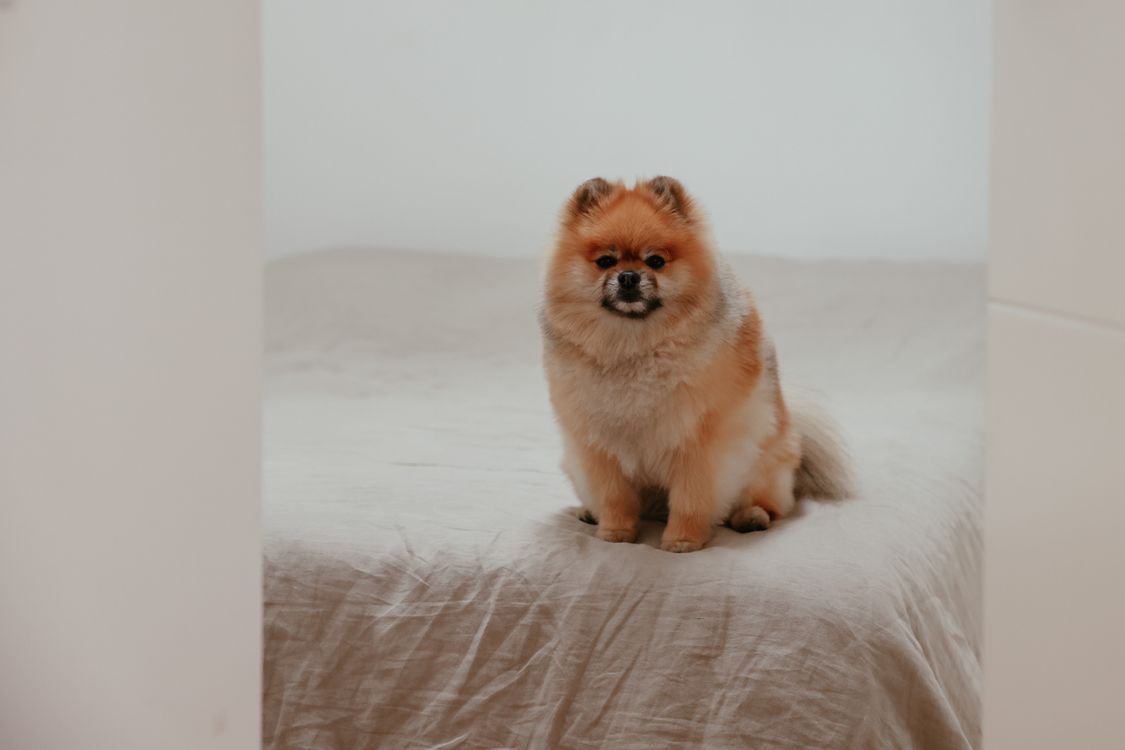
Seri weighs six pounds, is about three years old, and until recently her whole world was a small metal cage. According to Retriever Rescue of Las Vegas, the Pomeranian spent her first three years producing puppies for a commercial breeding operation. She has never had a family, or a bed that belongs to her, or a person who wanted her for anything except the next litter.
That is finally changing. Seri is on her way to Las Vegas, where the rescue is looking for the family that will show her what an ordinary dog week looks like: short walks, toys on the floor, a lap available whenever she wants one. Her rescuers call her curious, sweet, and affectionate, and say she does well with other dogs.
Her story carries a distinction that gets blurred constantly. A breeder and a puppy mill are not the same thing. Humane World for Animals defines a puppy mill as an inhumane commercial breeding operation where the dogs’ welfare comes second to keeping costs low, and where parent dogs may spend years confined while being bred over and over.
What this means if you are buying a puppy
Ask to meet the mother, in the place where the puppies were raised. Ask what health testing the parents had. Breeders who do this properly expect those questions. Warning signs run the other way: puppies ready to leave this weekend, several unrelated breeds listed on one website, a mother you are never allowed to see.
If that sounds like a second job, rescue is the shorter path. Seri’s details are here, and some dogs wait a long time for the right person, like Hashbrown, who waited 1,502 days.