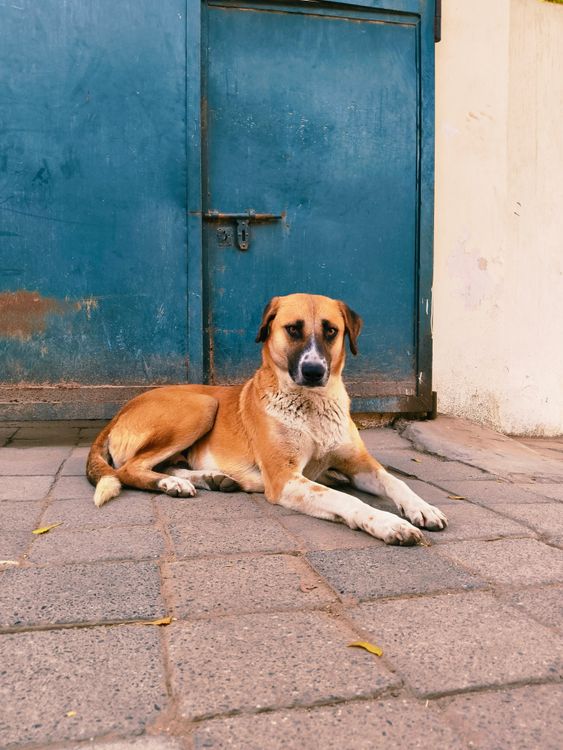
India has roughly 60 million free-living street dogs, and a new study sent 45 Western dog behavior specialists there to watch how those dogs live. They came home with questions about their own pets.
The group works with anxious and aggressive pet dogs back home, so they expected hardship on Indian streets: dogs in poor health, in conflict, always on guard. Instead they described animals who threaded through heavy traffic like locals, settled arguments with small signals instead of fights, and chose for themselves when to approach a person and when to walk away. One participant said the street dogs seemed settled, while many of the pets they knew came apart over smaller problems. The research is written up at The Conversation.

Nobody is suggesting you turn your dog loose. Street dogs face disease, injury, hunger and people who mean them harm, and a well-loved pet would not last long living that way. The useful part is the question the specialists carried home: when a dog falls apart over small things, how much of that is the dog, and how much is the life we build around them?
What this means for your dog: You can borrow the good parts without the risk. Let them lead the walk sometimes and stop to read every smell, which is more useful than it looks. Offer choices, like two beds, two paths, or one corner nobody bothers them in. Let them work out a small problem instead of solving it for them. If you want the evidence that behavior problems are less common than the internet suggests, that study is here.